

Abstract
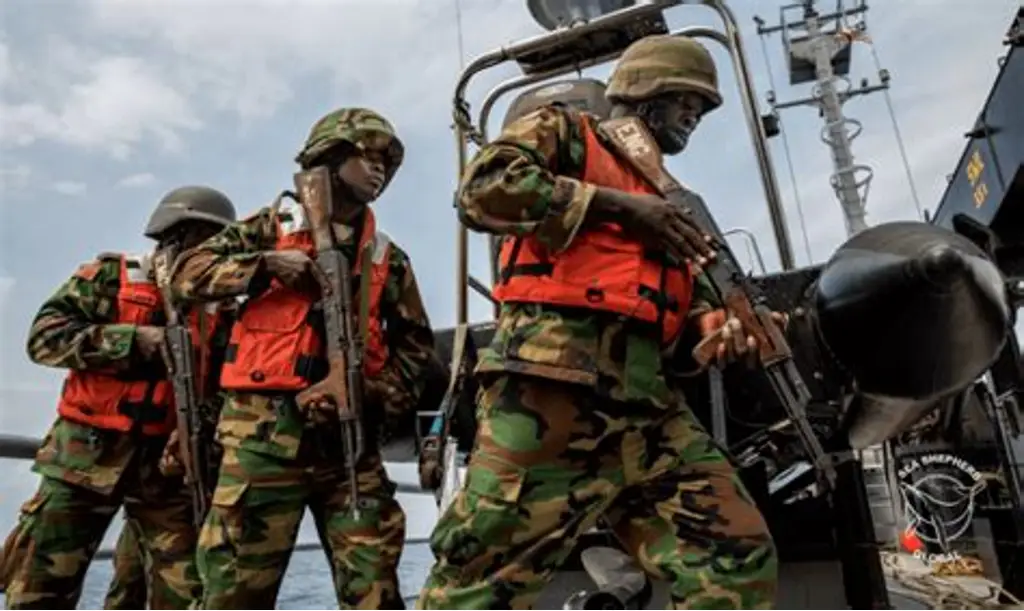
Maritime security has become an essential component of international diplomacy, national security, economic development, and international cooperation. For coastal countries, maritime security is not merely a naval or law-enforcement responsibility; it is a strategic instrument for protecting national sovereignty, international trade, marine resources, and regional stability.
Liberia’s Atlantic coastline, seaports, fisheries, and internationally connected shipping interests create significant opportunities while exposing the country to threats such as illegal fishing, piracy and armed robbery at sea, drug trafficking, human trafficking, weapons smuggling, and marine pollution.
This article examines the relationship between maritime security and international diplomacy, with particular attention to Liberia’s national interests and regional responsibilities. It considers the roles of the Liberia Maritime Authority, Liberia Coast Guard, Liberia National Police, customs authorities, port institutions, and international partners.
It also discusses the importance of the United Nations Convention on the Law of the Sea, the International Maritime Organization, ECOWAS, the African Union, and regional maritime cooperation. The article argues that effective maritime security strengthens Liberia’s diplomatic credibility, economic prospects, sovereignty, and contribution to peace in West Africa.
Keywords: maritime security; international diplomacy; Liberia; Gulf of Guinea; sovereignty; maritime governance; transnational organized crime; regional cooperation.
- Introduction
The maritime environment has historically shaped the development of nations, international trade, diplomatic relations, and national security. Oceans and waterways connect countries, facilitate commerce, provide access to natural resources, and create opportunities for economic cooperation. At the same time, maritime spaces can be exploited for criminal activities, security threats, and disputes when they are not effectively governed.
In contemporary international relations, maritime security is increasingly recognized as an instrument of diplomacy. Countries that protect their maritime territories demonstrate their capacity to exercise sovereignty, safeguard commerce, cooperate with neighboring states, and contribute to regional stability.
For Liberia, maritime security is especially important because the country’s Atlantic coastline provides access to international shipping routes and supports ports, fishing, transportation, and trade.
Introduction
Maritime security should therefore be treated as part of Liberia’s broader national security and foreign policy agenda. A country cannot fully protect its economic interests if the maritime routes, ports, and resources that support those interests remain vulnerable.
Maritime security and diplomacy are connected through the protection of sovereignty, promotion of trade and investment, prevention of transnational crime, bilateral and multilateral cooperation, regional stability, and sustainable use of marine resources.
Understanding Maritime Security and Maritime Diplomacy
Meaning of Maritime Security
Maritime security refers to the protection of maritime territories, vessels, ports, offshore installations, marine resources, and shipping activities against threats that may undermine safety, sovereignty, economic interests, and international stability. It combines law enforcement, military preparedness, intelligence, international law, diplomacy, and institutional cooperation.
Its scope extends beyond naval and coast guard operations. It includes customs, immigration, port security, maritime regulators, intelligence institutions, environmental agencies, prosecutors, and the private sector. Key areas include protection of territorial waters and exclusive economic zones; prevention of piracy and armed robbery; combating illegal, unreported, and unregulated fishing; preventing drug, weapons, and human trafficking; port and vessel security; search and rescue; and protection of the marine environment.
Meaning of Maritime Diplomacy
Maritime diplomacy is the use of diplomatic relationships, international agreements, negotiations, cooperation, and peaceful engagement to advance national interests and address maritime challenges. It can involve discussions over maritime boundaries, fishing rights, shipping routes, marine resources, port arrangements, and the application of international maritime regulations.
When Liberia cooperates with neighboring countries to prevent piracy or illegal fishing in the Gulf of Guinea, it is doing more than supporting a security operation. It is building trust, protecting shared economic interests, and strengthening regional diplomacy.
Maritime Security in International Relations
International relations concern the political, economic, military, and diplomatic interaction of states. Maritime security is one of the areas through which these relationships are developed.
Strong maritime institutions help a country protect its interests, negotiate agreements, attract investment, and participate credibly in regional security arrangements. Weak maritime governance can expose a state to criminal exploitation, economic losses, and diplomatic difficulties.
Liberia’s Geographical and Strategic Maritime Position
Liberia’s Atlantic coastline provides access to international shipping routes and connects the country to regional and global commercial networks. Its maritime interests include protecting coastal waters, developing ports and shipping, regulating vessels, protecting fisheries, preventing maritime crime, and promoting investment in the blue economy.
Liberia’s Geographical and Strategic Maritime Position (continued)
Liberia’s coastline and seaports create economic opportunities and responsibilities under international maritime law. The maritime environment supports cargo movement, fishing, shipping services, and other activities essential to national development. It also places Liberia within the wider security environment of the Gulf of Guinea.
Liberia and the Gulf of Guinea
The Gulf of Guinea is an important maritime region connecting West and Central African countries to international commercial routes. It supports petroleum transportation, shipping, fishing, port operations, and other economic activities. It has also faced piracy, armed robbery against ships, illegal fishing, drug trafficking, and other forms of organized crime.
The International Maritime Organization has reported progress in reducing piracy incidents in the Gulf of Guinea since 2021, while emphasizing the need for continued regional cooperation. For Liberia, maritime stability means safer commerce, stronger investor confidence, and improved diplomatic relationships.
Liberia’s National Maritime Strategy
Liberia’s validation of its first National Maritime Security Strategy in September 2023 was an important step in strengthening national maritime governance. The strategy addresses threats including piracy, terrorism, armed robbery at sea, trafficking in goods and people, illegal fishing, and marine pollution. Its value will depend on implementation, funding, trained personnel, equipment, intelligence systems, and coordination among responsible institutions.
The Role of Maritime Security in Liberia’s International Diplomacy Protection of National Sovereignty
Sovereignty is the authority of a state to govern its territory, protect its people, and exercise lawful control over national interests. For coastal states, sovereignty includes maritime rights and responsibilities recognized by international law. Liberia must maintain the capacity to monitor activities within its maritime jurisdiction and respond lawfully to violations.
The Liberia Coast Guard, working with maritime and law-enforcement institutions, contributes to the protection of coastal waters. Effective protection strengthens Liberia’s diplomatic standing because it demonstrates the state’s ability to exercise lawful authority. Sovereignty, however, must be exercised consistently with international law, including the navigation rights of other states.
Strengthening Bilateral Diplomatic Relations
Bilateral diplomacy involves formal cooperation between two countries. Liberia can strengthen relations with Sierra Leone, Guinea, Côte d’Ivoire, Ghana, and other coastal states through maritime training, intelligence sharing, coordinated patrols where legally authorized, search and rescue cooperation, and action against trafficking and illegal fishing. These arrangements build trust and reduce the risk of maritime disputes.
The Role of Maritime Security in Liberia’s International Diplomacy
Strengthening Multilateral Diplomacy
Multilateral diplomacy involves cooperation among several countries through international organizations, conventions, and regional institutions. Liberia’s maritime interests require active engagement with the United Nations, International Maritime Organization, ECOWAS, African Union, Gulf of Guinea Commission, and relevant maritime coordination structures. Participation allows Liberia to shape policy, advocate for technical assistance, and contribute to international maritime standards.
Protection of International Trade and Investment
International businesses require safe ports, reliable shipping routes, predictable regulations, and protection against criminal activity. Insecurity can increase insurance costs, cause delays, lead to cargo losses, and discourage investment. Secure ports and waters can attract investment in shipping, logistics, fisheries, marine transportation, and port modernization. Maritime security is therefore an important component of economic diplomacy.
Protection of Liberian Maritime Interests Abroad
Liberia’s maritime interests extend beyond its territorial waters. As a state with an internationally significant ship registry, Liberia has responsibilities connected to the regulation and oversight of vessels flying its flag. Incidents involving Liberian-flagged vessels or seafarers may require diplomatic engagement, legal consultation, and cooperation with international maritime institutions. This demonstrates that maritime security and foreign policy are closely connected.
Maritime Security Institutions and Their Responsibilities in Liberia
Liberia Maritime Authority
The Liberia Maritime Authority is a central institution for maritime administration, regulatory oversight, and the advancement of Liberia’s maritime interests. Its responsibilities include maritime safety and security, ship registration, regulatory functions, and implementation of relevant international obligations. Its maritime security functions support intelligence, investigation, and cooperation with the Coast Guard and other agencies.
Liberia Coast Guard
The Liberia Coast Guard operates within the Armed Forces of Liberia and is a key operational actor in coastal protection and maritime law enforcement. Its responsibilities include maritime surveillance and patrols, prevention of unlawful activity, search and rescue support, and protection of maritime interests. Professional cooperation with foreign coast guards and naval institutions can strengthen Liberia’s diplomatic and security relationships.
Liberia National Police
The Liberia National Police contributes to the investigation of maritime-related crimes within its legal mandate. Criminal networks often operate both at sea and on land. Drug trafficking, for example, may involve maritime transportation followed by movement through ports and inland communities. Effective responses require cooperation among maritime forces, police, intelligence agencies, prosecutors, and customs authorities.
Maritime Security Institutions and Their Responsibilities
Customs and the Liberia Revenue Authority
Customs authorities contribute by monitoring the lawful movement of goods through seaports, identifying suspicious cargo, preventing smuggling, protecting public revenue, and enforcing trade regulations. Intelligence sharing with maritime law-enforcement institutions can help prevent the movement of narcotics, illegal weapons, and other prohibited goods.
National Port Authority
The National Port Authority has an important role in port administration and management of public port facilities. Ports are critical infrastructure for trade, revenue, employment, and economic development. Port security should include access control, cargo monitoring, protection of restricted areas, emergency response, personnel screening, and coordination with security agencies.
Ministry of National Defense and Ministry of Justice
The Ministry of National Defense provides institutional oversight of the Armed Forces of Liberia, including the Coast Guard. The Ministry of Justice supports the rule-of-law framework through legal advice, prosecution, and the administration of justice. Maritime security requires lawful investigations, reliable evidence, prosecution of offences, and respect for human rights.
Major Maritime Security Threats Facing Liberia
Piracy and Armed Robbery at Sea
Piracy and armed robbery against ships are significant concerns in parts of the Gulf of Guinea. Under the United Nations Convention on the Law of the Sea, piracy has specific legal elements and generally concerns acts on the high seas or outside the jurisdiction of any state. Armed robbery against ships generally concerns similar unlawful acts within a state’s internal waters, archipelagic waters, or territorial sea. The distinction matters because it affects jurisdiction and enforcement responsibilities.
Drug Trafficking and Organized Crime
Criminal organizations may exploit maritime routes to transport narcotics between continents and distribute them through regional networks. Commercial vessels, fishing boats, and small craft may be misused. Liberia needs intelligence-led enforcement and coordinated investigations involving the Coast Guard, Liberia National Police, Liberia Drugs Enforcement Agency, customs, and international partners.
Illegal, Unreported, and Unregulated Fishing
Illegal, unreported, and unregulated fishing threatens local livelihoods, fish stocks, marine ecosystems, and government revenue. Because fishing activities may involve foreign operators, protecting fisheries is also a diplomatic responsibility. Licensing, monitoring, transparent enforcement, and cooperation with neighboring states are essential.
Major Maritime Security Threats Facing Liberia (continued)
Human Trafficking and Migrant Smuggling
Maritime routes can be exploited by networks involved in human trafficking and migrant smuggling. Victims may face dangerous transport, exploitation, and serious human-rights violations. Responses should involve maritime agencies, immigration authorities, police, social protection institutions, prosecutors, and international partners.
Weapons Smuggling and Terrorism
The unlawful movement of firearms, ammunition, explosives, and other dangerous materials can undermine national and regional security. Weapons trafficking may support criminal groups and fuel violence. Maritime institutions should strengthen cargo controls, intelligence cooperation, and investigations while respecting applicable law.
Cybersecurity and Marine Environmental Protection
Ports and shipping increasingly rely on digital cargo systems, vessel tracking, customs databases, and communications networks. Cyberattacks can disrupt port operations and expose sensitive information. Liberia should integrate cybersecurity into maritime planning. Marine pollution, oil spills, illegal dumping, and hazardous waste also threaten public health, fisheries, and neighboring states. Environmental protection is therefore both a national and diplomatic concern.
International Maritime Law and Liberia’s Diplomatic Obligations
United Nations Convention on the Law of the Sea
The United Nations Convention on the Law of the Sea (UNCLOS) is a central international framework governing maritime spaces and activities. It addresses territorial seas, exclusive economic zones, continental shelves, navigation, marine scientific research, and conservation of marine resources.
Under UNCLOS, a coastal state may establish a territorial sea up to 12 nautical miles from its lawful baselines and an exclusive economic zone up to 200 nautical miles, subject to the Convention and applicable delimitation rules. The Convention also protects certain navigation rights and establishes duties to protect and preserve the marine environment. Liberia’s institutions must understand these rules to protect national interests and avoid jurisdictional disputes.
International Maritime Organization
The International Maritime Organization is a specialized United Nations agency responsible for developing international standards for shipping safety, security, and environmental performance. Its work includes technical cooperation and capacity building, as well as support for implementation of conventions such as SOLAS and relevant maritime security requirements.
International Maritime Law and Liberia’s Diplomatic Obligations (continued)
International Ship and Port Facility Security Code
The International Ship and Port Facility Security (ISPS) Code was adopted through amendments to the SOLAS Convention and entered into force on 1 July 2004. It establishes security responsibilities for governments, port facilities, and shipping companies. It emphasizes security assessments, security plans, threat identification, and appropriate protective measures. Effective implementation is important for confidence in Liberia’s ports and shipping operations.
United Nations Security Council Resolution 2634 (2022)
Security Council Resolution 2634 addresses piracy and armed robbery at sea in the Gulf of Guinea. It encourages stronger cooperation, regional coordination, and action against the conditions that enable maritime criminality. Liberia’s participation in regional maritime cooperation supports these international objectives.
- Regional Maritime Diplomacy and Liberia’s Role in West Africa
ECOWAS and Regional Cooperation
ECOWAS provides an important framework for regional cooperation. Maritime initiatives support information sharing, institutional development, and coordinated responses to threats. Liberia should remain active in regional programs that improve maritime governance and strengthen cooperation among West African countries.
The Yaoundé Architecture
The Yaoundé Architecture is a regional framework for cooperation against piracy, armed robbery at sea, and other maritime crimes in West and Central Africa. The Yaoundé Code of Conduct was adopted in June 2013 by representatives of 25 West and Central African countries.
It promotes information sharing, coordination, and responses to maritime threats. Liberia should contribute through strong national coordination and communication with regional partners.
International Maritime Security Networks
Liberia’s participation in wider maritime information-sharing arrangements, including the Trans-Regional Maritime Network, demonstrates how cooperation can extend beyond immediate neighboring states. Such networks can improve maritime situational awareness, support timely information exchange, and build confidence among participating countries.
Cooperation with International Partners
Cooperation with the United States, European Union, and other partners can support Coast Guard training, maritime intelligence, port security, cybersecurity, search and rescue, surveillance technology, and legal capacity-building. International assistance should strengthen Liberia’s institutional independence and national ownership rather than create permanent dependence.
Maritime Security as an Instrument of Economic Diplomacy
Economic diplomacy uses international relationships to promote trade, investment, and development. Maritime security supports this process because international trade depends heavily on safe and reliable sea transportation. Secure ports and waters can strengthen Liberia’s competitiveness, support port modernization, create jobs, and encourage investment in logistics, shipping, fisheries, and marine services.
Ports, Trade, and the Blue Economy
The blue economy involves the sustainable use of ocean and marine resources for economic growth, employment, and environmental protection. Liberia can expand opportunities in fisheries, marine transportation, coastal tourism, and related industries. These opportunities require effective monitoring, transparent licensing, environmental protection, and enforcement against illegal activity.
Challenges Affecting Maritime Security in Liberia
Operational Resources and Institutional Coordination
Maritime security requires patrol vessels, fuel, communications, surveillance systems, maintenance facilities, trained personnel, and reliable funding. Weak coordination among agencies with overlapping responsibilities can create gaps that criminal organizations exploit. Liberia needs clear responsibilities, joint planning, and effective information-sharing arrangements.
Training, Integrity, and Enforcement
Maritime officers require knowledge of maritime law, navigation, intelligence, criminal investigation, evidence collection, port security, and international cooperation. Training should also emphasize human rights, accountability, and professional conduct. Corruption can undermine enforcement by allowing criminal networks to exploit regulatory weaknesses. Transparency, internal accountability, and consistent discipline are therefore essential.
Dependence on Assistance and Public Awareness
International assistance is valuable, but Liberia must develop the national capacity to finance, manage, and sustain maritime institutions. Fishing communities, shipping operators, port workers, and coastal residents should also understand how to identify and report suspicious activities. Community awareness should be part of national maritime policy.
Policy Recommendations
Strengthen a national maritime coordination mechanism involving LiMA, the Coast Guard, police, LDEA, customs, the National Port Authority, and other relevant agencies.
Invest in Coast Guard patrol vessels, communications, navigation and surveillance equipment, search and rescue capacity, maintenance, and professional training.
Develop maritime domain awareness and intelligence-sharing capabilities with safeguards for sensitive information and lawful use.
Increase Liberia’s participation in international maritime conferences, regional diplomacy, and negotiations to advance national interests.
Maintain port security assessments, access controls, emergency plans, and trained security personnel consistent with applicable ISPS requirements.
Strengthen maritime criminal justice through lawful inspections, evidence handling, investigations, prosecution, and international legal cooperation.
Promote regional exercises, fisheries monitoring, marine environmental protection, maritime education, and measurable annual performance reviews.
The Future of Maritime Security in Liberia’s Foreign Policy
The future of Liberia’s maritime security depends on recognizing the maritime environment as an essential part of national development and international diplomacy. Liberia should move beyond treating maritime security exclusively as a military or law-enforcement matter.
It should be integrated into foreign policy, economic diplomacy, environmental governance, and international cooperation.
Liberia’s geographical position offers opportunities to become a stronger participant in maritime governance across West Africa. The country should use diplomatic relationships to promote peaceful resolution of maritime disputes, respect for international law, regional information sharing, and protection of seafarers. International cooperation should strengthen national capacity while preserving national ownership of maritime policies.
Three principles should guide policy. First, national sovereignty: Liberia must protect its maritime domain and exercise its rights and responsibilities under international law.
Second, international cooperation: Liberia must maintain constructive relationships with neighboring states, international organizations, and strategic partners. Third, economic development: maritime security must protect national resources, commerce, employment, investment, and sustainable development.
Conclusion
Maritime security is an essential component of international diplomacy, national sovereignty, economic development, and regional peace. For Liberia, its importance is heightened by the Atlantic coastline, international shipping interests, seaports, fisheries, and participation in the Gulf of Guinea security environment.
The protection of Liberia’s maritime domain cannot be achieved through military activities alone. It requires coordinated institutions, professional law-enforcement personnel, effective intelligence systems, international legal compliance, diplomatic engagement, and regional cooperation. LiMA, the Liberia Coast Guard, the Liberia National Police, customs authorities, the National Port Authority, and other institutions each have important responsibilities.
Liberia’s validation of its National Maritime Security Strategy in 2023 was an important step, but its success depends on implementation, resources, training, coordination, and sustained political commitment. A secure maritime environment strengthens diplomatic credibility, protects commerce, improves relations with neighboring countries, and creates opportunities for investment. Maritime security is therefore a diplomatic instrument, an economic necessity, a criminal justice priority, and a foundation for regional stability.
Protecting the ocean is also protecting Liberia’s sovereignty, economic prosperity, international reputation, and future generations.
References
African Union. (2014). 2050 Africa’s Integrated Maritime Strategy (2050 AIM Strategy). African Union Commission.
Economic Community of West African States. (2014). ECOWAS Integrated Maritime Strategy. ECOWAS Commission.
International Maritime Organization. (1974). International Convention for the Safety of Life at Sea (SOLAS), 1974, as amended. IMO.
International Maritime Organization. (2004). International Ship and Port Facility Security (ISPS) Code. IMO.
International Maritime Organization. (n.d.). Maritime security. https://www.imo.org/
International Maritime Organization. (n.d.). Maritime security in West and Central Africa. https://www.imo.org/
Liberia Maritime Authority. (2023). National Maritime Security Strategy: Validation and related national maritime security framework. Government of Liberia.
Republic of Liberia. (n.d.). National Maritime Strategy. Liberia Maritime Authority.
United Nations. (1982). United Nations Convention on the Law of the Sea. United Nations.
United Nations Security Council. (2022). Resolution 2634 (2022): Piracy and armed robbery at sea in the Gulf of Guinea. United Nations.
United Nations Office on Drugs and Crime. (2013). Yaoundé Code of Conduct concerning the repression of piracy, armed robbery against ships, and illicit maritime activity in West and Central Africa.
Author’s Professional Profile
Apostle Dr. Tarpeh Lasanah U-sayee Jr. is a Criminal Justice Professor, Law Enforcement Instructor, and Firearms Instructor. His professional and academic interests include criminal justice administration, national security, maritime security, international relations, law enforcement, security management, and peacebuilding. His academic work emphasizes professionalism, institutional accountability, national sovereignty, international cooperation, and the rule of law in strengthening Liberia’s security institutions.

