

Liberia is calling on developed countries and international climate financing institutions to provide greater funding for climate-friendly technologies, arguing that technical assistance alone is insufficient to help vulnerable nations confront the worsening impacts of climate change.
Speaking on the sidelines of the 31st United Nations Climate Change Conference (COP31) in Antalya, Liberia’s Lead Negotiator for Technology Transfer, Christopher Kabah, said developing countries require significant financial investments to acquire, deploy and implement climate technologies capable of reducing greenhouse gas emissions and strengthening resilience.
Kabah, who also serves as Director of Planning and Policy at the Environmental Protection Agency (EPA), emphasized that technology transfer remains a key pillar of ongoing climate negotiations, alongside adaptation, mitigation, transparency, carbon markets under Article 6 of the Paris Agreement, and gender-related issues.
In an interview with the Liberia Excellent News Network (LENN), he said Liberia and other least-developed countries are seeking a comprehensive approach that combines technical expertise with adequate financial support to ensure climate solutions are effectively implemented.
“Developing countries need support that goes beyond technical assistance,” Kabah said. “Access to climate technologies must be matched by financing and implementation support if we are to effectively address the challenges posed by climate change.”
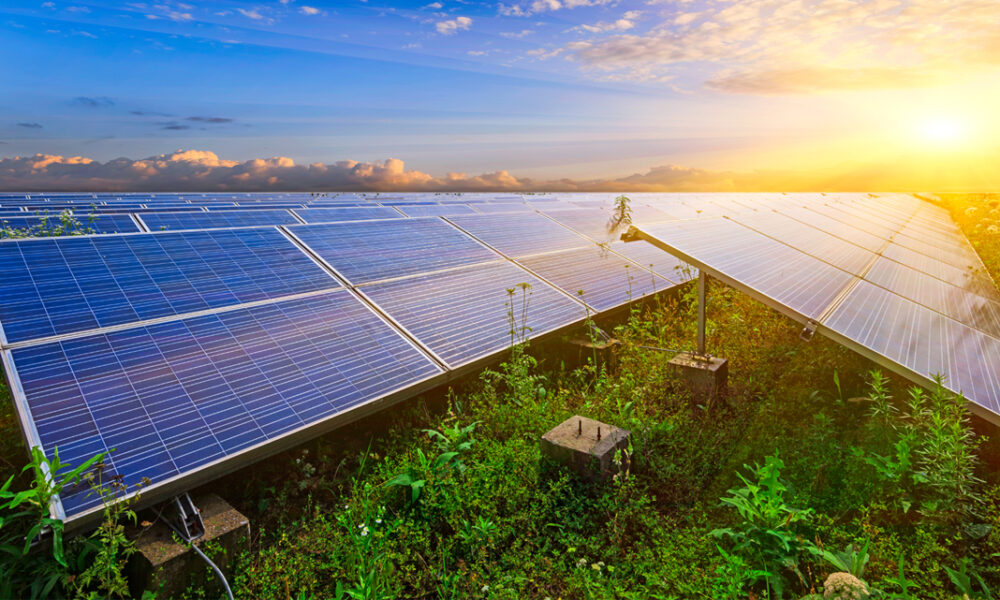
According to Kabah, Liberia has identified several priority technologies that could help address both climate mitigation and adaptation challenges. These include solar energy systems, hydropower projects and energy-efficient cookstoves.
He described the energy sector as a significant source of greenhouse gas emissions and noted that expanding access to cleaner energy alternatives would not only reduce emissions but also increase electricity access for thousands of Liberians.
Kabah highlighted solar energy as a viable solution for expanding power generation in underserved communities, while hydropower offers another opportunity to provide reliable and renewable electricity.
He also underscored the importance of promoting energy-efficient cookstoves, particularly in rural communities where traditional cooking methods remain widespread. Shifting households away from three-stone fires and conventional charcoal-burning stoves, he said, could reduce emissions, limit deforestation and improve public health.
Beyond emissions reduction, Kabah stressed that technology transfer is critical to helping Liberia adapt to the growing impacts of climate change, including flooding, coastal erosion, sea-level rise and declining agricultural productivity.
He pointed to recurrent flooding across parts of the country as evidence of Liberia’s vulnerability to extreme weather events, emphasizing the need for improved flood management systems and disaster preparedness measures.
Rising sea levels and coastal erosion remain equally concerning, he added, with communities along Liberia’s coastline increasingly threatened by encroaching seawater and land loss.
To address those challenges, Kabah called for international support to finance coastal protection infrastructure, including revetments and other defense systems designed to shield vulnerable communities from further erosion and flooding.
Agriculture, a crucial sector of the Liberian economy, is also facing increasing pressure as changing rainfall patterns and shifting farming seasons affect crop production and food security.
Kabah said farmers need access to climate-smart agricultural technologies and modern farming practices to adapt to changing conditions, improve yields and sustain livelihoods.
He argued that developed countries, whose historical emissions have contributed significantly to global warming, should play a greater role in financing climate interventions in vulnerable nations.
“Countries like Liberia contribute very little to global emissions, yet they face some of the most severe consequences,” he said.
Kabah further disclosed that negotiations on technology transfer at COP31 are focusing on mechanisms designed to improve developing countries’ access to climate technologies. He referenced the Climate Technology Centre and Network (CTCN), an international mechanism that provides technical assistance and advisory support to countries seeking climate-related solutions.
While acknowledging the value of the initiative, he argued that technical assessments alone are not enough.

