

By Evelyn G. Reeves Barrolle
Liberia has intensified diplomatic engagement ahead of its assumption of the Presidency of the United Nations Security Council (UNSC) in December 2026, using a high-level reception in London to underscore the country’s commitment to global peace, security, and multilateral cooperation.
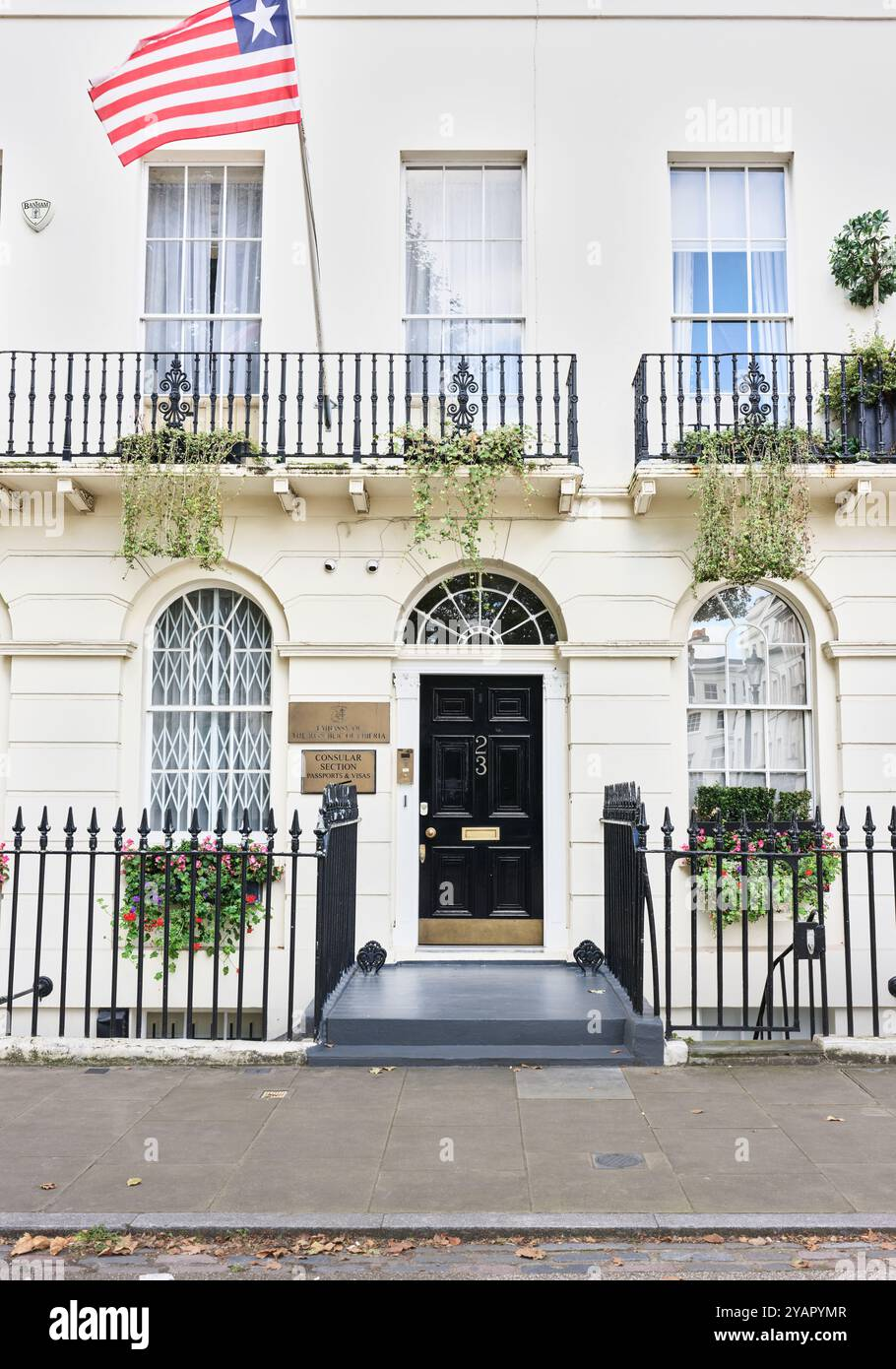
The Embassy of Liberia to the Court of St. James’s hosted a diplomatic cocktail reception on November 16, bringing together ambassadors and representatives from the ten elected members of the Security Council, diplomats from the Economic Community of West African States (ECOWAS), and officials from the United Kingdom’s Foreign, Commonwealth and Development Office (FCDO).
The event, organized under the leadership of Liberia’s Ambassador to the United Kingdom, Her Excellency Genevieve A. Kennedy, served as a platform to highlight Liberia’s diplomatic legacy and priorities as it prepares to take on one of the world’s most significant multilateral leadership roles.
Addressing the gathering, Ambassador Kennedy reflected on Liberia’s longstanding contributions to international peace and security, emphasizing the country’s status as a founding member of the United Nations and its enduring support for global cooperation.
She noted that Liberia has consistently championed peace and security through diplomatic engagement and active participation in international peacekeeping operations.
The Ambassador also recounted a notable chapter in Liberia’s diplomatic history, highlighting the agreement reached with Ireland in 1960 to share a United Nations Security Council seat after 13 rounds of voting. Under the arrangement, Liberia served on the Council in 1961, while Ireland assumed the seat in 1962.
More than six decades later, Liberia’s return to the Security Council for a full two-year term marks a significant milestone in the country’s evolving role in global affairs.
According to Ambassador Kennedy, the Council membership provides Liberia with an opportunity to reaffirm its support for multilateralism while contributing to international efforts to address emerging security challenges.
She further highlighted Liberia’s rich peacekeeping history, including its participation in the United Nations peacekeeping mission in the Congo during the 1960s and, more recently, its contribution of peacekeepers to the United Nations Multidimensional Integrated Stabilization Mission in Mali (MINUSMA).
“Libera’s commitment to peace extends beyond its own post-conflict recovery experience,” Ambassador Kennedy emphasized, noting that the country remains actively engaged in regional and international peacebuilding initiatives.
The reception also provided an opportunity for Liberia to outline its strategic priorities ahead of its Security Council Presidency.
Ambassador Kennedy referenced President Joseph Nyuma Boakai’s declaration during a special Cabinet meeting focused on Liberia’s Council tenure that “Liberia is back on the global stage, and Liberia is ready.”
She said the country’s upcoming leadership role would be guided by its experience in peacebuilding and by a commitment to addressing some of the most pressing security concerns confronting the international community.
Among the priorities Liberia plans to advance during its presidency are climate, peace and security, conflict prevention, maritime security, the inclusion of women and youth in peacebuilding processes, and strengthening regional and subregional security cooperation.
Maritime security emerged as a central theme of the discussions.
Ambassador Kennedy emphasized that Liberia’s maritime security policy is grounded in the principles of the United Nations Convention on the Law of the Sea (UNCLOS), particularly the protection of freedom of navigation through international waterways and key strategic maritime corridors.
She called for sustained international attention to maritime safety and security and invited Liberia’s Permanent Representative to the International Maritime Organization (IMO), Ambassador Robert M. Kpadeh, to provide an expert briefing on maritime security challenges and the protection of seafarers.
The event concluded with Ambassador Kennedy and Ambassador Kpadeh presenting a commemorative plaque to an IMO representative in tribute to seafarers who have lost their lives at sea.
The diplomatic gathering underscored Liberia’s determination to leverage its experience in peacebuilding, maritime leadership, and post-conflict recovery as it prepares to lead the Security Council. It also highlighted the country’s broader ambition to strengthen international partnerships and play a more influential role in advancing global peace and security.
As Liberia approaches its Security Council Presidency, government officials say the country intends to use the platform not only to advance international cooperation but also to demonstrate its readiness to contribute meaningfully to addressing regional and global challenges in an increasingly complex world.

