

The Environmental Protection Agency of Liberia (EPA) has launched a two-day working session aimed at embedding gender considerations into the country’s Integrated Coastal Zone Management (ICZM) Plans and the Sea and River Defense Investment Management Plan (SRDIMP) for Sinoe County. The session, held at the Stella Maris Conference Hall in Monrovia, carried the theme “Building Partnerships for Gender Responsive ICZM and SRDIM Plans.”
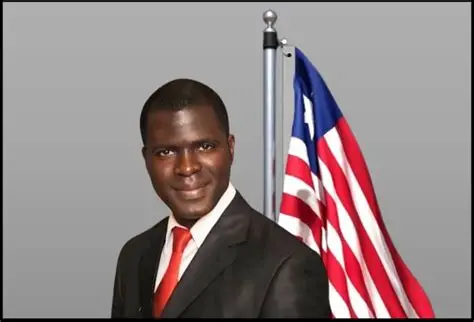
Speaking on behalf of the Executive Director, Deputy Executive Director for Administration Anthony S. Kollie underscored the urgency of inclusive planning as Liberia’s coastal communities face mounting threats from flooding, erosion, sea-level rise, and intense rainfall linked to climate change.
He stressed that resilience requires more than physical infrastructure, pointing to the need for planning processes that recognize the roles and challenges of women, youth, and vulnerable populations in environmental management and community development.
Kollie emphasized that gender integration is not symbolic but essential to addressing entrenched inequalities such as limited access to land, finance, training, and decision-making spaces.
“When women and marginalized groups are excluded from planning and resource allocation, development outcomes remain incomplete and unsustainable,” he said, adding that mainstreaming must be intentional, practical, and measurable.
He urged participants to use the session to strengthen partnerships, share best practices, and craft actionable strategies that will guide implementation across Liberia’s nine coastal counties and Sinoe County. Sustained collaboration among government institutions, civil society, and local communities, he noted, is vital to ensuring that resilience efforts “leave no one behind.”
The workshop brought together representatives from government agencies, gender coordinators from the nine coastal counties, NGOs, civil society organizations, academics, and the Sinoe Coastal Defense Project team. Collectively, they reviewed existing plans, identified gaps, and developed strategies for gender responsive coastal management.
Discussions focused on raising awareness of gender responsive environmental management, identifying critical challenges facing women, youth, and vulnerable groups, and developing guidelines for mainstreaming gender into policy and practice. Strengthening partnerships to promote sustained collaboration and accountability was also a central theme.
Participants highlighted the importance of aligning coastal resilience initiatives with Liberia’s broader climate adaptation goals. They noted that gender responsive planning not only addresses social equity but also enhances the effectiveness of environmental interventions by ensuring that diverse community perspectives inform decision-making.
The EPA and its partners, through the Sinoe Coastal Project, reaffirmed their commitment to advancing climate resilience efforts that empower all Liberians. By embedding gender considerations into coastal governance, they aim to foster inclusive development and strengthen the country’s ability to withstand the growing impacts of climate change.
As Liberia continues to grapple with environmental vulnerabilities, the session marked a significant step toward ensuring that resilience strategies are equitable, participatory, and sustainable. For the EPA, the message was clear: coastal protection cannot succeed without the voices and contributions of women and marginalized communities at the center of planning and implementation.

