

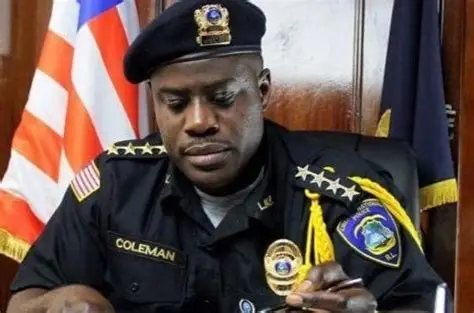
The Liberia National Police (LNP) has issued a strong rebuttal to allegations raised by Jefferson T. Koijee, Secretary General of the opposition Congress for Democratic Change (CDC), in a communication to the United States Embassy in Monrovia.
The institution described Koijee’s claims as “misleading, unsubstantiated, and factually incomplete,” insisting they fail to reflect ongoing accountability processes and reforms within the force.
While acknowledging the right of citizens to raise concerns, the LNP underscored contradictions in Koijee’s assertions. The police noted that Koijee himself has been sanctioned by the U.S. Government for actions including undermining democratic processes and abuse of public office. Against this backdrop, the LNP questioned the credibility and intent of his sweeping accusations, which focus on issues directly tied to his sanction record.
Central to Koijee’s claims were allegations of institutional inaction and misconduct. The LNP countered that it maintains clear accountability mechanisms: custodial deaths undergo mandatory review and, when necessary, are referred for judicial consideration; allegations of misconduct trigger investigations by the Professional Standards Division (PSD); and incidents involving use of force are reviewed under established legal and operational frameworks. Officers found in violation, the institution stressed, are held accountable.
The police further clarified that investigation and prosecution are distinct functions, with prosecutorial decisions resting solely with the Ministry of Justice. This separation, they argued, ensures impartiality and adherence to the rule of law, contrary to Koijee’s insinuations of systemic cover‑ups.
Equally forceful was the LNP’s rejection of Koijee’s claims of systemic torture, collaboration with drug cartels, and politically motivated violence. The institution described these allegations as “unsupported and inconsistent” with ongoing reforms and international cooperation efforts aimed at strengthening professionalism and accountability.
Analysts suggest the police’s response reflects growing frustration with attempts to politicize law enforcement and undermine public confidence. By directly addressing Koijee’s credibility and highlighting institutional safeguards, the LNP sought to reassure both domestic and international partners of its commitment to transparency.
The statement also emphasized the broader context: Liberia’s police force is undergoing reforms designed to align with international standards, improve human rights protections, and strengthen public trust. The LNP pledged to continue engaging transparently with citizens and international stakeholders, rejecting efforts to erode confidence through politically charged narratives.
For many observers, the clash underscores the tense relationship between Liberia’s security institutions and opposition figures. With Koijee’s communication now part of the public discourse, the LNP’s firm rebuttal signals its determination to defend institutional integrity and resist attempts to weaponize allegations for political gain.
As Liberia navigates complex challenges of governance, accountability, and public trust, the confrontation between Koijee and the LNP highlights the fragile balance between political expression and institutional credibility. The police’s message was clear: it remains committed to professionalism, accountability, and the protection of human rights, and will not allow politically motivated claims to distort its mission or undermine public confidence.

