

By Ernest Kpehe Moibah, Bomi County
BOMI COUNTY — A wave of optimism is sweeping through Liberia’s western forest belt after the Forestry Development Authority (FDA) and the Civil Service Agency (CSA) concluded a groundbreaking three-day training program designed to revolutionize accountability and service delivery in forest communities.
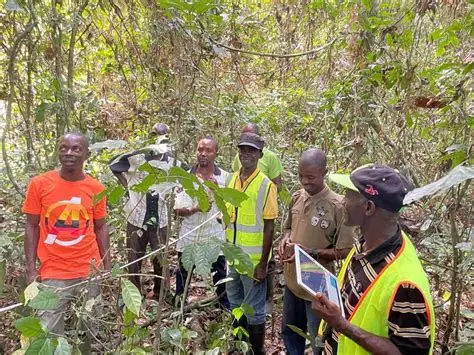
From May 15 to 17, 2026, the Forestry Training Institute Auditorium in Bomi County became the epicenter of reform, hosting 30 frontline forestry workers from Region One operations. Park wardens, regional foresters, conservation wardens, extension officers, and forest rangers gathered under one roof, united by a mission: to strengthen transparency and restore public trust in the management of Liberia’s vast forest resources.
For years, communities and journalists have sounded alarms over weak documentation and poor reporting during forest supervision and enforcement. The training, officials say, is a direct response to those concerns, aiming to replace outdated practices with modern systems of record keeping, reporting, and communication.
“This program comes at a critical time,” declared CSA representatives Julius and Edward, stressing that stronger performance systems will not only boost efficiency but also rebuild confidence in Liberia’s forestry sector. Participants were drilled in the four pillars of the Performance Management System—Planning, Review, Performance Appraisal, and Management Outcomes—while being urged to adopt SMART objectives and sharpen record tracking during enforcement activities in protected and community forest areas.
The sessions were more than lectures; they were a rallying cry for accountability. Facilitators emphasized that effective documentation is the backbone of conservation, enabling forestry workers to respond swiftly to environmental challenges and coordinate seamlessly with communities, partners, and the media.
Region One Regional Forester Kollie Bonner, speaking on behalf of participants, hailed the training as “timely and transformative.” He underscored that improved workplace performance and meticulous record keeping will foster stronger cooperation with local communities and conservation allies, while empowering forestry workers to confront illegal logging, habitat destruction, and other pressing threats.
The initiative signals a turning point for Liberia’s forest governance. With the country’s forests serving as both ecological treasures and economic lifelines, the demand for accountability has never been greater. As the dust settles in Bomi County, one message rings clear: Liberia’s forestry sector is charting a new course—one rooted in transparency, efficiency, and community trust.

