

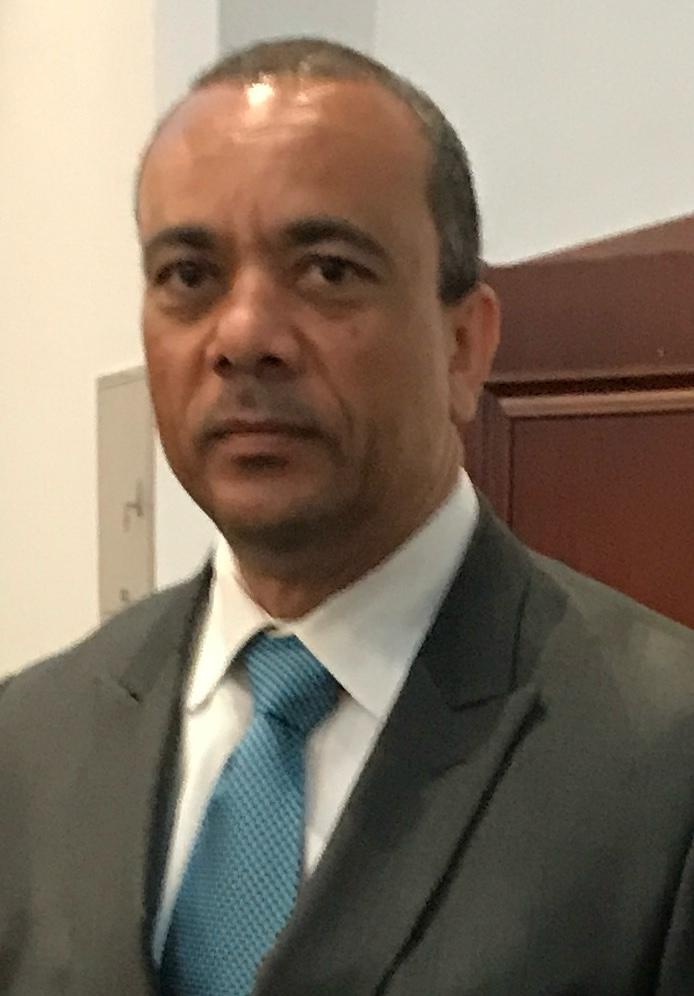
The Political Leader of the True Whig Party (TWP), Mr. Eric Olson, has issued a blistering warning against attempts by executive officials to mobilize street protests in defiance of legislative oversight, branding such actions as reckless, unconstitutional, and corrosive to Liberia’s fragile democracy.
His remarks come in response to statements by Eugene Fahngon, Director-General of the Liberia Broadcasting System (LBS), who urged citizens to march on the Capitol after the Senate summoned senior government officials for questioning. Olson condemned the pronouncement as “deeply troubling” and a dangerous breach of constitutional boundaries.
Olson acknowledged that freedom of expression and peaceful assembly are fundamental rights guaranteed to all Liberians. But he stressed that presidential appointees carry a higher burden: to safeguard the dignity of their offices and respect the independence of the nation’s three coequal branches of government.
“We do not expect officials appointed by the Executive Branch to organize or encourage public protests against the legitimate constitutional actions of another branch of government,” Olson declared. “Such conduct undermines constitutional duties and weakens the institutions entrusted with protecting our Republic.”
The veteran politician underscored that Liberia’s democratic system already provides lawful mechanisms for resolving disputes between the Executive, Legislature, and Judiciary. Resorting to political demonstrations, he warned, risks turning constitutional disagreements into street battles.
“If any government official believes that a constitutional right has been infringed upon, the Republic of Liberia provides lawful avenues for redress,” Olson said. “Those remedies—not marches on the Capitol by members of the Executive—must remain the appropriate course of action.”
Olson reaffirmed that legislative oversight is not a privilege but a constitutional mandate. “The Constitution clearly defines the responsibilities of each branch of government. The Legislature enacts laws and exercises oversight. The Executive enforces those laws. The Judiciary interprets them. Respect for this balance is not optional—it is the foundation upon which Liberia’s democracy stands.”
He cautioned that when officials in one branch attempt to mobilize demonstrations against another, they create “the unfortunate impression of a government at war with itself.” Such behavior, he argued, erodes public trust, diminishes confidence in institutions, and weakens the rule of law.
In closing, Olson urged President Joseph Nyuma Boakai to rein in his appointees and ensure that executive officials conduct themselves with constitutional discipline. “There should be no march on the Capitol led or encouraged by government officials in protest of legislative oversight,” he insisted.
Olson’s fiery intervention has injected fresh urgency into Liberia’s ongoing debate over governance, accountability, and the separation of powers. His warning is clear: democracy cannot survive if its guardians become its saboteurs.

