

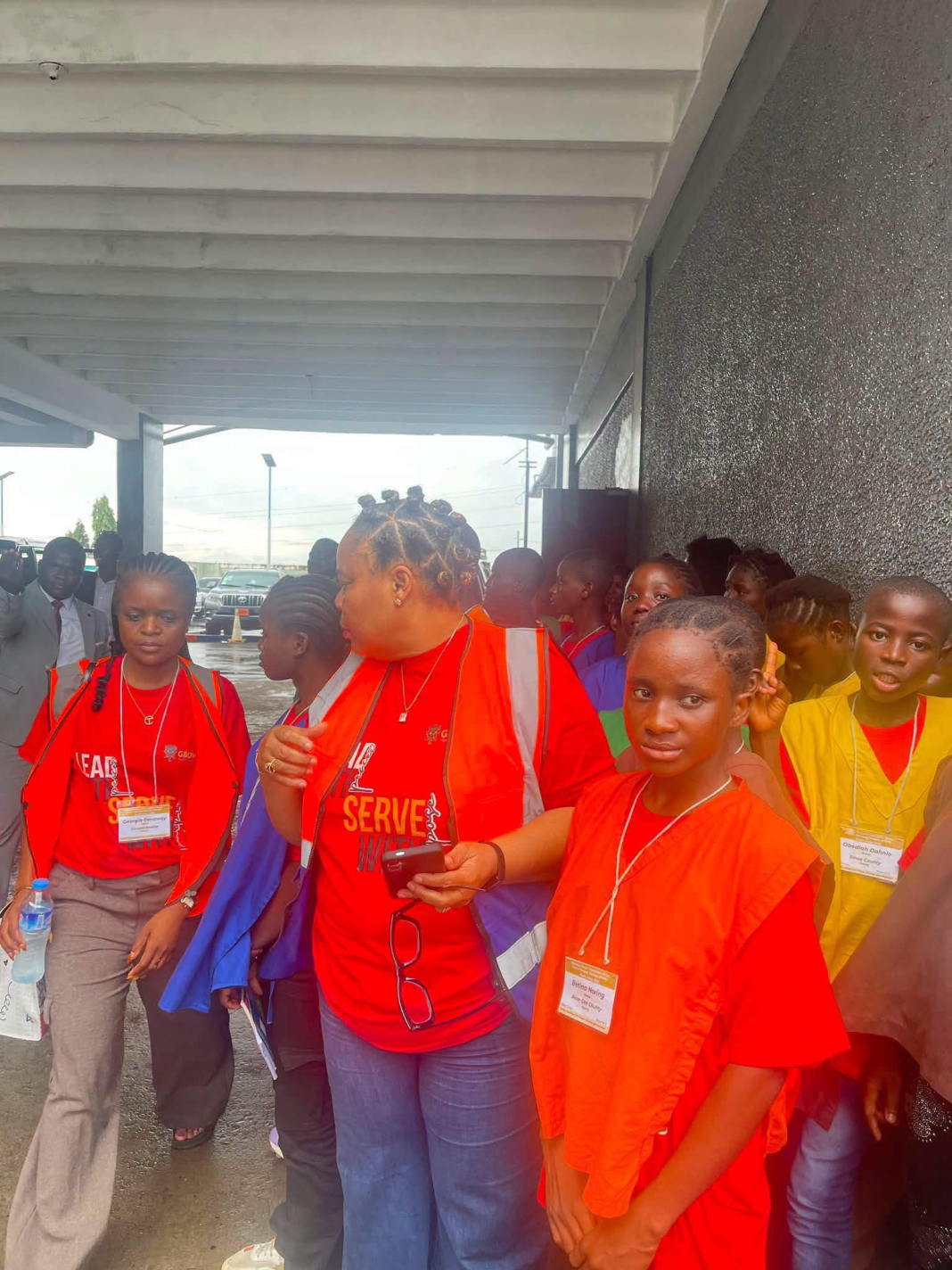
In a confrontation that has created debate over Liberia’s political culture, Nobel Peace Prize laureate Leymah Gbowee has accused lawmakers of denying children access to the Capitol simply because she refused to address them as “honourable.” The incident unfolded during the 10th edition of the Peace Through Fair Play Pact, a civic initiative that annually brings rural children face-to-face with the nation’s leaders.
Gbowee, celebrated worldwide for her role in ending Liberia’s civil war, described the episode in blistering terms. “The children were supposed to read a statement to the senators,” she said.
“However, those looking for ‘honourable’ titles really showed themselves because they could not see these children unless I, Leymah Gbowee, entered the chamber and called them ‘Honourable Senators.’ I refused to do it.”
The laureate explained that while the children were warmly received at the Supreme Court and welcomed by Vice President Jeremiah Koung at the Senate, they were barred from addressing senators because she declined to use the honorific. “Think about this,” she declared. “The next generation of Liberian children, whom you are supposed to inspire, were denied that opportunity because one person decided that public officials who do not conduct themselves properly should not be called ‘Honourable.’”
Her defiance struck at the heart of Liberia’s political vanity. Gbowee challenged lawmakers to prove that the Constitution mandates such titles. “If anyone can show me where in the Constitution or laws of Liberia it is written that senators and representatives should be called ‘Honourable,’ I will write a cheque for US$10,000 to their constituents,” she vowed. The audacious offer underscored her insistence that respect must be earned through conduct, not demanded through ceremonial ego.
The confrontation has sparked outrage among parents, activists, and ordinary citizens, many of whom see the lawmakers’ actions as emblematic of a political class detached from the realities of everyday Liberians. Critics argue that the refusal to meet children from distant counties such as River Gee and Sinoe reveals a troubling arrogance. “It is pathetic, really pathetic, that people will put their egos above the well-being of Liberian children,” Gbowee lamented.
Observers warn that the clash is more than symbolic. It highlights the widening gulf between Liberia’s leaders and its citizens, particularly the youth who represent the country’s future. Analysts caution that such incidents erode public trust and reinforce perceptions of lawmakers as self-serving. Gbowee’s defiance, however, has been hailed as a courageous stand against entrenched political vanity.
Her closing words carried both defiance and anticipation: “I’ve said my piece, and I wait to be summoned.” With that, she threw down a gauntlet to Liberia’s Legislature, daring them to confront not just her, but the uncomfortable truth about their relationship with the people they serve.
As the controversy reverberates across the nation, one thing is clear: Leymah Gbowee has reignited a debate about dignity, accountability, and the meaning of leadership in Liberia. Whether lawmakers respond with humility or hostility, the children who were turned away will not forget the lesson — nor will the country.

