

By George S. Tengbeh
Liberia is hurting. Mothers are marching, youth are dying, and leaders are promising action. On August 7, thousands, led by women’s groups, took to the streets of Monrovia, petitioning for a formal national emergency on drugs, tougher penalties, and a special court to fast-track cases. The Liberia Drug Enforcement Agency (LDEA) itself has cited alarming figures: an estimated one in five youths using illicit drugs and more than 800 “drug dens” across the capital. Those are not normal numbers; they’re a distress signal.
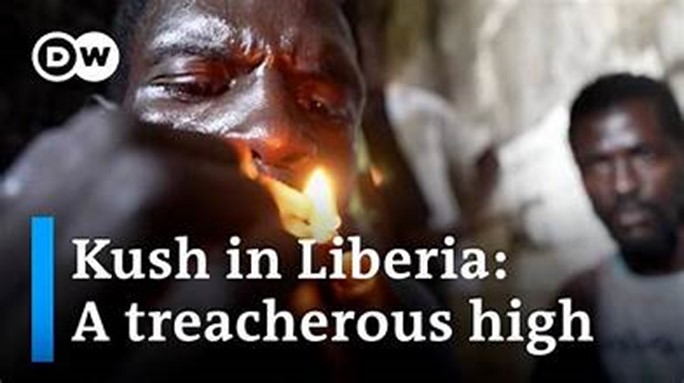
Across West Africa, a cheap synthetic drug known as “kush” has morphed into a mass-casualty substance, often laced with potent synthetic opioids like nitazenes that can be deadlier than fentanyl. Researchers testing samples in the region report that over half contain nitazenes; the rest typically contain synthetic cannabinoids. That cocktail is driving overdoses and horrific health effects. While Sierra Leone has been the epicenter, Liberia has not been spared. Our crisis is part of a regional storm, and the clouds are still darkening.
At home, the drumbeat of loss feels relentless. Local outlets and community Facebook pages have reported multiple suspected overdoses and sudden deaths in recent weeks, from Monrovia neighborhoods to counties like Sinoe. These are not comprehensive official statistics, but they are a chorus of grief that cannot be ignored. When communities wake up to yet another “breaking” post about a young life cut short, it signals a system that is behind the curve.
Government says it’s mobilizing. The Executive Mansion’s Facebook page touts a “bold national response” and meetings with “Say No to Drugs” organizers. Yet clarity matters: is this a formal legal declaration of a state of emergency with measurable milestones and public reporting, or a political phrase? Liberians deserve the difference spelled out in plain language, backed by a public plan, timelines, budgets, and weekly scorecards.
So yes, I stand firmly against drugs. But I am also full of questions, because history teaches us that where urgency meets big money, corruption can creep in. During Ebola, profiteering coexisted with genuine heroism. Receipts got fuzzy. Some private clinics chased margins over care. If we don’t learn from that, we repeat it. Today, as donors and governments pledge funds for “emergency” actions, how do we guarantee that money saves lives instead of lining pockets?
My questions—your questions—Liberia’s questions:
Is the “emergency” real in law or just rhetoric?
If the administration has declared, or intends to declare, an emergency, show the legal instrument. What powers are activated? Which agencies are in charge? What targeting is planned for prevention, interdiction, harm reduction, and treatment? And where are the monthly targets (raids, seizures, rehab slots, overdose reversals) that citizens can audit?
Who controls the money, and who audits it?
Publish a single, public budget line for the drug response: what’s domestic funding, what’s donor money, and what are the procurement rules? Every contract for rehab beds, medication-assisted treatment, community outreach, and law enforcement overtime should be posted online.
Real-time. No excuses. Where are the numbers?
We need weekly dashboards: suspected overdoses and fatalities (by county), seizures (type/weight), arrests (with prosecutorial outcomes), and treatment entries/retention. Right now, most “death spike” information is coming from fragmented media reports and community posts. That’s not a system; that’s guesswork. Let’s move from rumors to data.
Are we criminalizing addiction or treating it?
Kush’s opioid links mean overdose risk is high. Does Liberia have naloxone (the overdose-reversal drug) in ambulances, clinics, police cars, and community hands? Is there a plan for medication-assisted treatment (like buprenorphine or methadone) with trained providers? UNODC’s 2025 World Drug Report underlines that evidence-based treatment and harm reduction save lives; we can’t arrest our way out of an opioid-tainted epidemic.
Are we protecting youth with facts, or feeding fear with theatrics?
Public marches help break the silence; women leaders are rightly front and center. But prevention isn’t posters alone. Where is the school-based curriculum, the peer counseling, the youth jobs pipeline? Credible research on Liberia’s gangs and substance use points to long-term youth development, not just one-day crusades.
Who is speaking for the movement, and is it being politicized?
When a campaign faces a step aside citing political interference and lack of inclusivity, that’s a red flag. Anti-drug advocacy must never become a ladder for ambition. It must stay citizen-led, survivor-informed, and professionally guided. Transparency about leadership changes is essential.
Are communities being kept safe from vigilantism?
In their desperation, some residents have begun “clearing” ghettos, even burning structures and detaining users themselves. That’s dangerous for everyone. Law enforcement must enforce the law; health providers must deliver care; communities must not be pushed into mob justice. The state has to show up before people feel they have to improvise security.
Are rehab services accessible, or priced like luxury care?
Families complain that treatment is either unavailable or unaffordable. If rehab centers charge fees that squeeze desperate households, we should cap prices in emergencies and subsidize care. Publish a list of vetted, affordable centers and their costs. (Community posts are already calling out unaffordable services, a warning sign of market failure.)
Are we tackling supply, not just users?
LDEA press notes show routine “kush” and tramadol arrests upcountry and in Monrovia, but where are the big-fish traffickers, the cross-border networks, and the corrupt facilitators? Seizing thirty wraps in a township is not a strategy; it’s a headline. Citizens want intelligence-led policing, port interdiction, and regional cooperation that dents supply.
Where’s the regional plan?
The kush crisis is international. Evidence from Sierra Leone and across the subregion points to shifting compositions, often nitazenes, that make overdoses more likely and treatment trickier. Liberia should publish a joint action memorandum with neighbors for lab testing, early warning, and synchronized crackdowns on production and import routes.
Let’s think outside the box, without abandoning the basics.
Outside-the-box doesn’t mean outside the law or the evidence. It means pairing smart policing with health interventions: naloxone distribution, street-level outreach, and medication-assisted therapy.
It means a public dashboard, an independent civil-society oversight panel, and open procurement. It means youth employment programs that don’t end when the cameras leave. And it means naming and prosecuting traffickers higher up the chain, not simply sweeping the same slum corners.
A final word to leaders, government, and opposition alike:
Do not politicize our pain. The women marching, the parents grieving, the communities pleading, they’re not props. They are in Liberia. If you declare an “emergency,” back it with law, data, budgets, and weekly results. Publish the plan, open the books, and invite auditors and citizen monitors in. Then, and only then, will we stop asking whether this crisis response is a lifeline or a loophole.
Until that happens, I will keep asking hard questions. Not to embarrass anyone, but to save lives. If we get this wrong, we lose a generation. If we get it right, we’ll thank one another later.

