

By D. Moses Wantu
April 14, 1979 (the Rice riot)
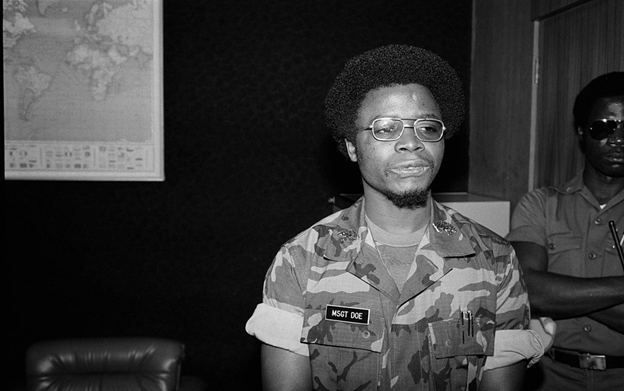
April 12, 1980 (Military takeover)
April 6, 1996 (Monrovia war)
April 6, 1994 (the genocide in Rwanda)
The April in the political history of Liberia and other parts of Africa can never be forgotten and must never happen⁰. The month of April is a notable month in the transformative stage of a nation struggling for change in Africa during the Cold War Era. April 6, 1994, in Rwanda, the genocide had claimed the world attention. This is a mistake we must never allow.
Historians are still flipping historical pages, gathering facts about the significance of staging popular masses uprising in Easter month that comes in April, which is considered as the holy month of a Christian dominant nation-state, Liberia.
In April, a group of ambitious Liberians named and styled themselves as the “Progressive” brainwashed ordinary Liberian citizens to stand against the government they once cherished under the 1st Republic in their quest to see the prize of the nation’s stable food maintained.
April 14, 1979 marks the beginning of popular uprising and violence in Liberia political and social history when group of Liberians under the auspices of the Progressive Alliance of Liberia (PAL) and their supporters took to the streets in a serious riot in demand of reduction in the prize of rice, the city of Monrovia turned chaotic as the cloud turned dark. Hundreds of thousands of worth of properties got damaged, and thousands of innocent people lost their lives while others were made homeless.
In Liberia, that marks the turning point in the political history of Liberia. After the April 14, 1979 incident, Liberians developed a culture of bravery to speaking truth to power. Political agitation has begun with the multiplicity of political parties emerging to greet the new wave of political dynamism and direction.
Liberians have adapted the culture of coordination in the process of political engagement by forming civil society organizations and movements. At first, the system of the old order could not afford them the opportunity to establish means by which Liberians could speak their minds, not until the 1979 rice riot that got Liberians gained consciousness.
April 12, 1980 is another unforgettable and historical turning point of “who owns the papas land military takeover.” This political agitation started with alliances between the People’s Redemption Council (PRC) and those calling themselves the Progressive Alliance of Liberia (PAL). The military junta was orchestrated by non- commissioned and inexperienced soldiers that ended the 133 years of Americo-Liberians’ dominant rule. Jubilant crowd filled the streets with the expectation of a better shift in the political limelight of a one-party dominant nation-state, Liberia.
Unfortunately, the nation witnessed a culture of intensive brutality among the very ones who claimed to have come to liberate the masses. Political witch-hut among the indigenous has become the order of the day while the others from the victims’ camp sit and watch the show of the inner fighting and killing.
We are highlighting these historical events so as to raise the consciousness of our younger generations in order to avoid a recurrence of these ugly pasts.

