

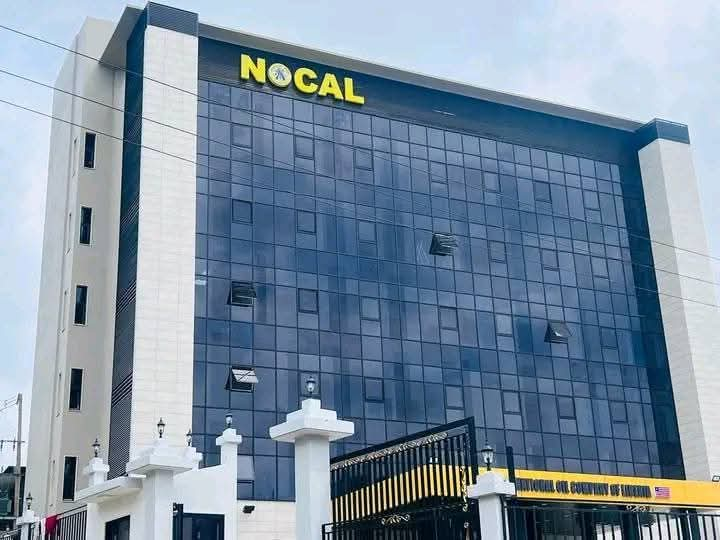
The leadership of the Liberian Senate has reached a negotiated settlement with authorities of the National Oil Company of Liberia and Petroleum Regulatory Authority after the entities were engulfed in confusion over statutory powers and functions.
Senate mediators successfully persuaded both entities to set aside their differences in the broader interest of maintaining a level playing field for investors and ensuring the smooth operation of the petroleum sector, Sources familiar with the discussion said.
The parties agreed to move forward cooperatively following the committee’s intervention, effectively ending a disagreement that had sparked concerns among lawmakers and industry observers.
At the center of the dispute were reports that NOCAL had entered into agreements with foreign firms GeoPartners and Searcher to conduct petroleum reconnaissance activities in Liberia without first obtaining licenses from the LPRA.
The lawmakers pointed to Section 11.1 of the Petroleum Law, which stipulates that any company intending to conduct reconnaissance surveys within a designated petroleum area must first secure a license from the LPRA and pay the prescribed fees.
This aspect of the law does not apply to GeoPartners, which is primarily a geophysical and geological consultancy and seismic service company rather than an oil exploration company.
The legislation established a clear separation of responsibilities within Liberia’s hydrocarbon sector, designating NOCAL as a commercial state-owned enterprise while assigning the LPRA exclusive responsibility for regulating upstream petroleum activities.
“This governance architecture was designed to enforce accountability, prevent conflicts of interest, and align Liberia’s legal framework with international best practices,” the senators stated in their communication to Senate President Pro Tempore Nyonblee Karnga-Lawrence.
The senators expressed concern that allowing any ambiguity over regulatory authority could weaken the rule of law within the petroleum industry and create uncertainty for potential investors evaluating opportunities in Liberia
Senate leaders called for discussions on possible structural and legislative reforms to prevent future institutional conflicts within the petroleum sector.
The outcome of the meeting included several key agreements: both parties will proceed with their activities, including reconnaissance and licensing; the Minister of Justice will convene a meeting with both board chairs to foster a harmonious relationship between the parties; the LPRA will continue to issue licenses; and the legislature will review the laws and address overlapping issues.

