

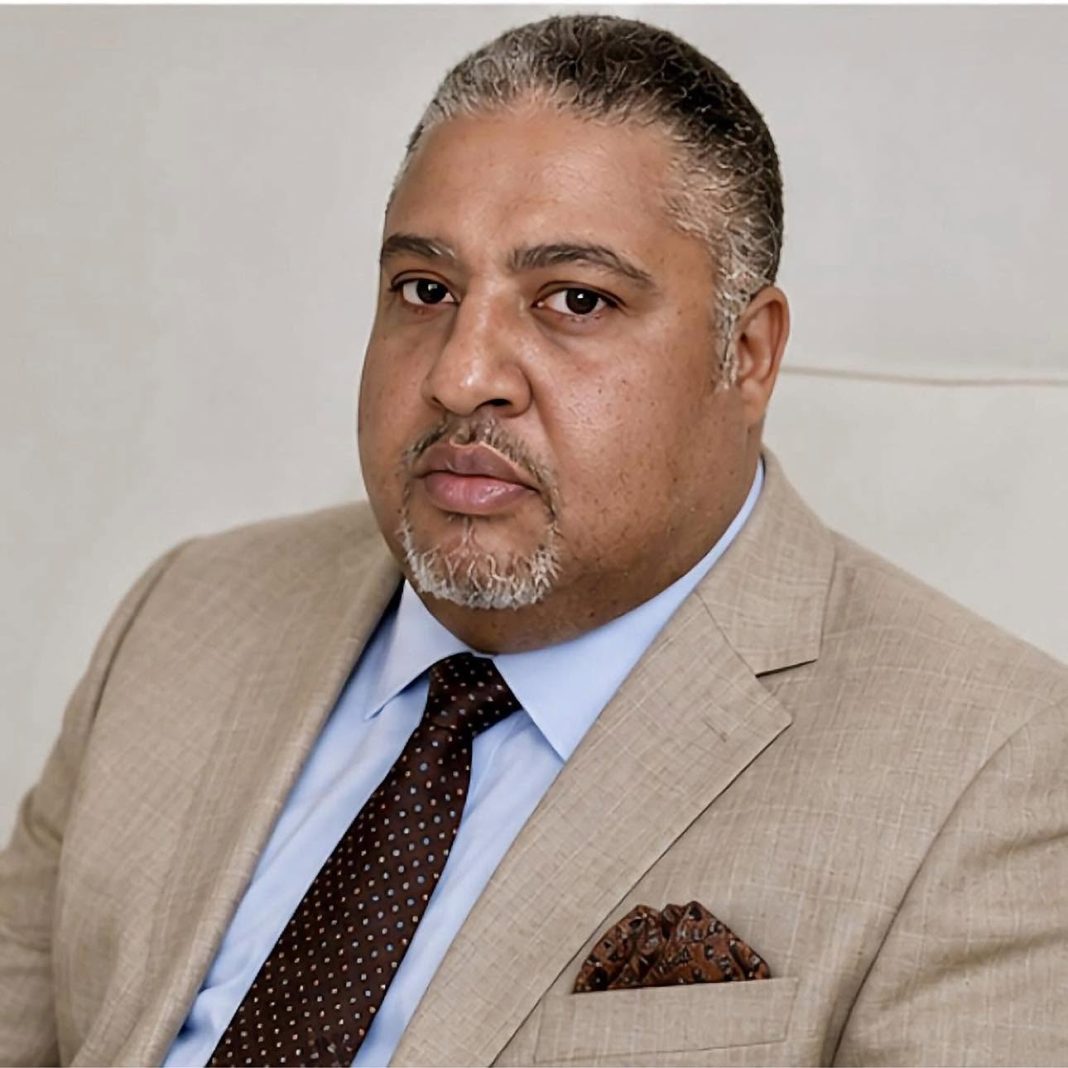
By E. J. Nathaniel Daygbor
Former Commerce Minister Amin Modad has sounded a clarion call to the Liberian government: the recent milestone of generating $1 billion in domestic revenue must be more than a statistic. It must be converted into real opportunities that touch the lives of ordinary Liberians.
“The government generated $1B—so what?” Modad asked pointedly. “I understand why many Liberians remain skeptical. They ask: ‘How does this benefit me?’ That skepticism is rooted not only in political narratives, but in years of unmet promises and governments that collected revenue without transforming lives.”
Modad, the chairman emeritus of the ruling Unity Party, acknowledged the achievement as significant—not merely for the amount, but for the fact that the government aspired, committed, planned, and delivered. Yet he stressed that the true value of revenue lies in the fiscal space it creates.
“If strategically invested, it can mean better healthcare, stronger education, modern infrastructure, youth empowerment, and more productive economic opportunities,” he said. “But Liberia has too many needs. We cannot do everything at once. Discipline is required.”
He urged policymakers to prioritize reforms and institutions that make growth sustainable, recalling how President Ellen Johnson‑Sirleaf’s first term was hampered by the sheer scale of post‑war challenges and the pressure to address them simultaneously.
With nearly 68 percent of Liberia’s population under 35, Modad insisted that youth development must be central to national planning.
“We must deliberately invest in building a healthy, educated, skilled, and capable generation,” he said. “This means prioritizing healthcare, quality education, vocational and technical training, digital skills, entrepreneurship, apprenticeships, and access to opportunities that prepare young people to become innovators and business owners.”
Modad emphasized that government alone cannot create enough sustainable jobs. A vibrant, Liberian‑owned private sector is essential.
“Liberian businesses need patient, affordable capital—not just short‑term loans with crushing interest rates,” she explained. “Where viable businesses are distressed, there must be mechanisms for responsible refinancing and restructuring. We cannot allow potentially productive enterprises to collapse.”
She highlighted ongoing debates around non‑performing loans, noting that access to finance and support for micro, small, and medium enterprises (MSMEs) must remain at the heart of financial‑sector reform.
Modad outlined a clear roadmap for turning revenue into opportunities: Protect social services — safeguard healthcare, education, and welfare, develop youth — invest in skills, training, and innovation, produce locally — reduce imports and strengthen domestic industries, add value to resources — process raw materials before export, expand exports — diversify trade and increase foreign earnings, and build Liberian private sector — empower citizens to own and scale businesses.
“This is how increased revenue can translate into household incomes, jobs, and economic security,” she said.
Modad warned that Liberia can no longer rely on foreign aid. “Aid is declining, geopolitical priorities are shifting, and multilateralism is suffocating. Liberia must increasingly finance its own development and build an economy in which Liberians have a vested stake in our collective survival and prosperity.”
While calling for optimism, Modad stressed that accountability must remain non‑negotiable.
“Celebrate progress where progress is made, but don’t give the administration a free pass,” the businessman Modad said. “Civil society must demand transparency, track where the money goes, and ensure measurable results. Skepticism is healthy when it demands accountability. It becomes destructive when it refuses to recognize progress simply because of politics.”

