

By Ernest Kpehe Moibah Jr | Bomi County
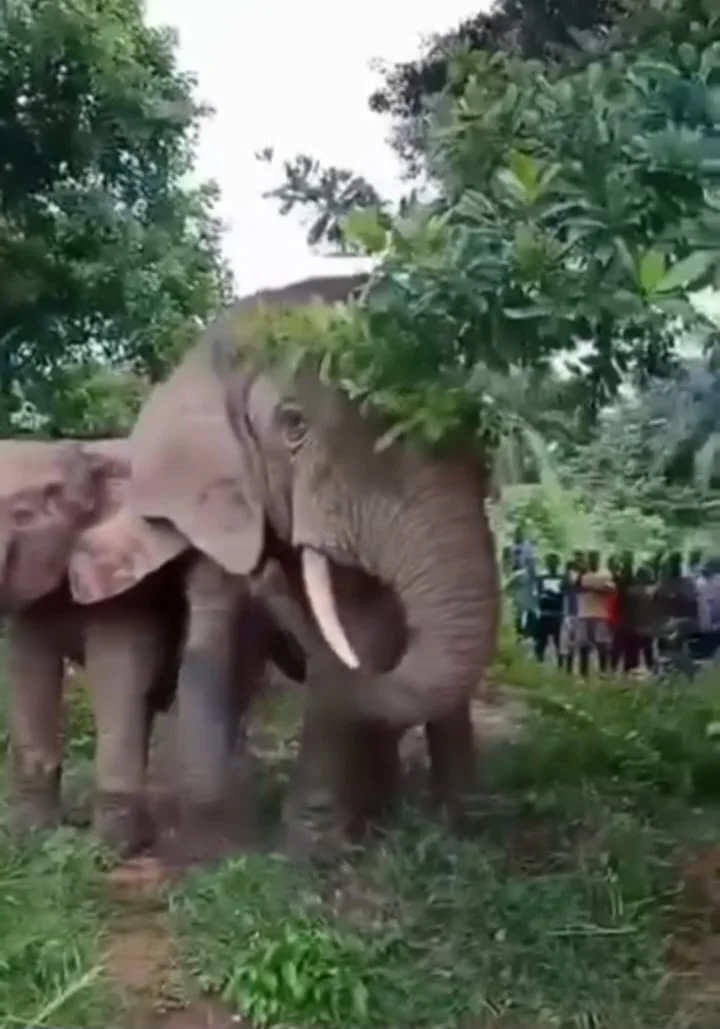
A deepening food scarcity in Liberia’s elephant habitats is driving a dangerous surge in human-wildlife conflict, leaving farms destroyed, families hungry, and communities trapped between survival and conservation mandates.
For nine consecutive years, residents across Grand Cape Mount, Gbarpolu, and Bomi Counties have endured repeated elephant invasions that devastate crops and threaten lives. Conservation groups and community leaders say the crisis stems from severe habitat loss caused by logging, mining, and shifting cultivation, compounded by climate change.
In August 2025, a Forestry Development Authority (FDA) response team warned that unregulated human activity was encroaching on wildlife habitats, forcing elephants into desperate searches for food. One year later, the Kongba District Development Association confirmed the findings on Forest Hour radio: “The elephants are coming to our towns and villages because their food is finished from the forest.”
But the elephants’ hunger has left human settlements in ruins. “Two to three thousand of our farms were destroyed,” lamented local farmer Pa Jackson. “Our rice, peanuts, cassava, and palm trees have been wiped out.”
An FDA-led mission in Gbarma District, Gbarpolu County, documented similar devastation in 2025. Residents told investigators: “We are told not to harm the elephants, but what are we supposed to do when our farms are gone?”
The FDA, joined by the National Disaster Management Agency and Ministry of Agriculture, later issued a stark press release: “The escalating conflict is attributed to habitat loss from artisanal and industrial mining, unsustainable logging, and shifting cultivation. These pressures, compounded by climate change, are pushing wildlife out of their traditional habitats and into direct competition with human settlements.”
Experts also warned that the encroachment increases risks of zoonotic disease transmission, adding a public health dimension to the crisis.
On September 26, 2026, the Rural Reporters News Network (RRNN) visited Varguaye Town in Gola Konneh District, Grand Cape Mount County, where residents raised fresh alarms over recurring elephant incursions. Farms have been destroyed, daily life disrupted, and three people killed in recent encounters.
Town Chief Madam Salaymatu Fofana described the fear gripping her community, especially during plum season when elephants roam in search of food. She recalled the tragic deaths and said restrictions placed on farming since 2017 by the FDA have left families with few options. “We need alternative livelihoods, especially for women, to reduce the economic pressure on households,” she appealed.
Chairlady Madam Jartu Johnson added that artisanal mining has become the primary fallback for survival. “Young people are turning to mining to feed their families,” she said, calling for government intervention through agricultural support, vocational training, small-business grants, and women’s empowerment programs.
Beyond food and income, the conflict is disrupting education. Residents, including Town Chief Fofana and parent Moriah Sokan, urged authorities to relocate Varguaye Town Public School from its isolated bush location to a safer site within the town.
Principal Saheidu Sesay echoed the concern, noting that elephant invasions spread fear among students and residents, halting academic activities whenever the animals appear. “Education cannot thrive under constant threat,” he warned.
Despite repeated alerts to the FDA and other agencies, communities say no sustainable solution has been delivered. The conflict has already claimed lives on both sides: in June 2019, elephants killed two people in Zuo, Gbarma District, while in October 2021, two elephants were killed in Northern Liberia, leading to arrests.
The cycle of violence underscores the urgency of a balanced approach. Residents insist that solutions must protect both human survival and wildlife conservation. “The child who says their mother will not sleep will not sleep either,” goes a local proverb — a reminder that neither humans nor elephants can endure without resolution.
As elephants continue to lose their habitats and families lose their crops, Western Liberia stands at a crossroads. Communities demand long-term strategies that safeguard food security, create sustainable livelihoods, and preserve endangered species. Without decisive intervention, the struggle for survival will remain a deadly collision between people and wildlife.

