

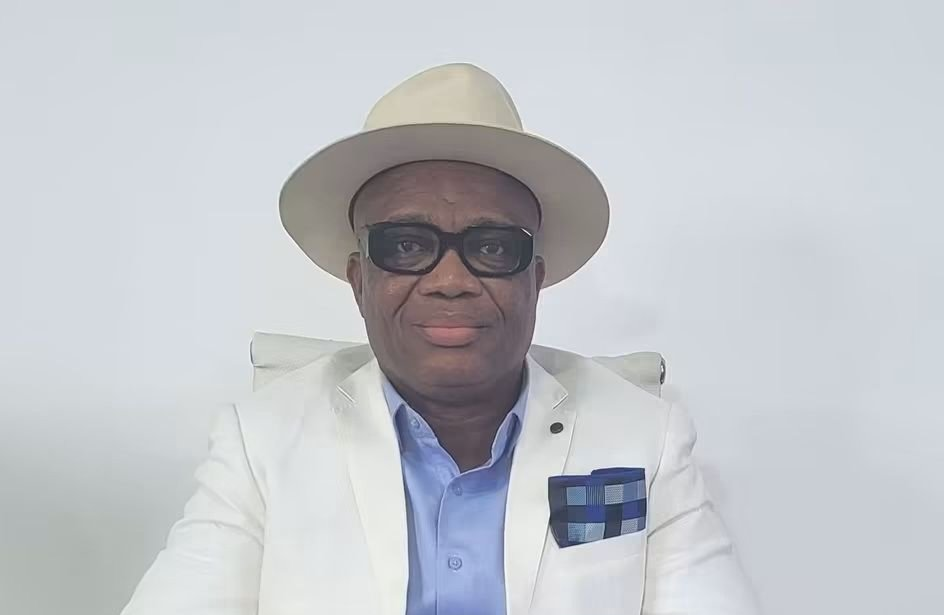
Liberian politician and businessman Simeon Freeman has sharply criticized the Central Bank of Liberia’s (CBL) proposal to print up to L$79 billion in new banknotes between 2026 and 2030, arguing that the country should prioritize digital payments over costly currency replacement exercises.
Freeman contends that the plan represents a significant opportunity cost for Liberia’s struggling economy. Instead of channeling millions of U.S. dollars into producing physical cash, he believes resources should be redirected toward housing, industrial development, job creation, and strengthening digital financial infrastructure.
The CBL’s proposal has already undergone legislative scrutiny. Following hearings with government officials, banking representatives, and other stakeholders, the House of Representatives authorized the Bank to proceed. Lawmakers said the program is primarily intended to replace deteriorated notes, improve cash availability, and maintain the efficiency of Liberia’s payment system.
Freeman, however, insists the scale of the printing is difficult to justify. He points to the previous replacement exercise between 2021 and 2023, when the CBL printed approximately L$48.7 billion at a cost of about US$45 million.
That program introduced coins, replaced the old family of banknotes, and addressed damaged currency. By contrast, the current plan envisions L$79 billion over four years, largely to replace worn notes and introduce a new L$2,000 denomination—the highest in Liberia’s history.
According to Freeman, the program would average L$15.8 billion annually, underscoring what he sees as the unsustainable cost of repeatedly replacing physical money. He argues that this cycle highlights the urgent need for a broader transition toward digital payments.
Liberia’s growing digital payment sector, Freeman notes, already demonstrates the viability of such a shift. The CBL’s 2025 Annual Report recorded mobile money transactions totaling L$585.88 billion and US$6.92 billion that year, alongside accelerated modernization of the national payment system.
Initiatives such as the Inclusive Instant Payment System have expanded access to electronic transactions, making mobile money increasingly central to everyday commerce.
Freeman believes this trend shows Liberians are comfortable conducting financial transactions electronically. He urges policymakers to place greater emphasis on expanding digital platforms for government payments, commercial activity, and daily transactions, reducing reliance on cash.
The CBL, however, has defended its proposal. Officials told lawmakers that a significant portion of banknotes printed between 2021 and 2024 will become unfit for circulation by 2030 due to normal wear and tear. They argue that replacing mutilated notes, maintaining adequate reserves, and meeting rising demand for cash remain essential to the stability of Liberia’s payment system.
The House Committee on Banking and Currency endorsed this view, stating that the printing program would support currency availability and ensure the system’s functionality.
Freeman remains unconvinced. He claims the exercise could be politically motivated, alleging that funds might be used to support Unity Party campaign activities—a comparison he draws to what he says occurred between 2009 and 2011. That allegation has not been independently verified and is presented as Freeman’s claim.
The broader debate has already raised questions among lawmakers and economic stakeholders about the appropriate size, timing, and safeguards of the program. Some legislators have called for deeper scrutiny of its potential monetary and economic effects.
Freeman, meanwhile, has pledged that a future administration under his leadership would pursue a more aggressive digital payment strategy. “As President, I will digitize payment and work with platforms to expand usability and reduce Liberia’s exposure to reprinting liabilities,” he declared.

