

A public education commentary in defense of freedom of expression by Cllr. Tiawan Saye Gongloe (former political leader, the Liberia’s People’s Party)
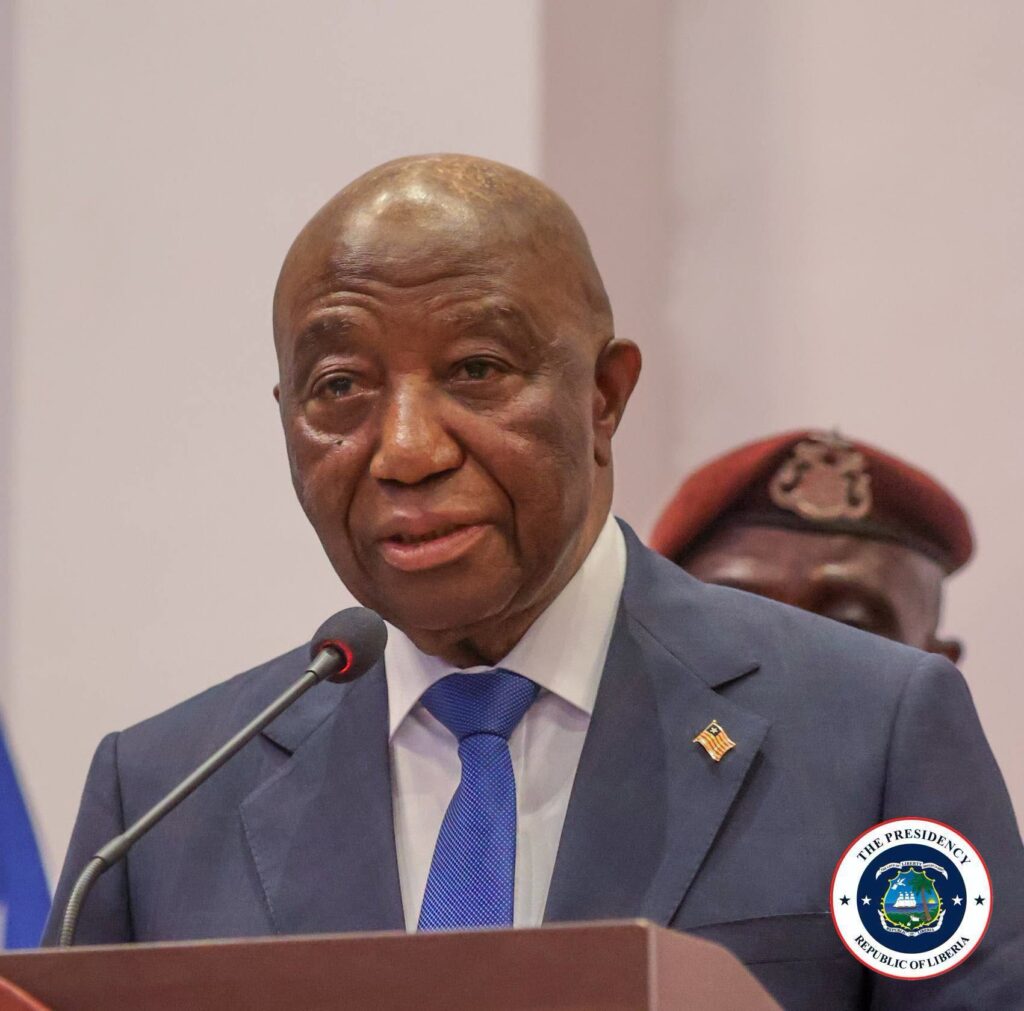
President Joseph Boakai was himself a strong critic of President George Weah’s government. While in opposition, he publicly criticized insecurity, violent crime, drug trafficking and what he considered failures of government to protect the people.
Criticism was legitimate then; it cannot become illegitimate merely because the critic has become President.
Criticism is the soul of democracy. Liberia has a long tradition of citizens questioning those in power. Albert Porte became one of Liberia’s most prominent voices of dissent during the Tubman and Tolbert eras. Tuan Wreh also challenged the Tubman system.
Under President Tolbert, Togba-Nah Tipoteh, Gabriel Baccus Matthews, Amos Sawyer, Dew Mayson, Oscar Quiah, student leaders and many others openly questioned government policies and demanded political and social change.
Even during the authoritarian regimes of Samuel Doe and Charles Taylor, Liberians continued to speak out, often at great personal risk.
So, Mr. President, let the people talk.
As I remember the late Nagbe Sloh once saying on ELBC, in a democracy, “you talk your own and I talk my own.” And as the late Joe Mulbah often reminded us, “jaw-jaw is better than war-war.” It is better for citizens to fight with words and ideas than with guns. That is democracy’s greatest safety valve.
Criticism can also help a government see what it may not be seeing. A President surrounded by officials who always say “yes” may never hear what ordinary citizens are experiencing.
The rule of law is a good example. President Boakai criticized governance failures while in opposition. Yet in 2024, the Supreme Court ruled that his nominations to several already-occupied tenured positions violated the incumbents’ due-process rights and ordered the nominations revoked. That is precisely why public criticism and judicial scrutiny matter.
I too, have criticized many governments. The evidence is on my body, and the memory will remain with me until death. I continue to crticize government and provide solutions. I am criticized by others too. When I commend something, the UP government does well, some CDC partisans criticize me. When I criticize the government, some members and supporters of UP call me a CDC sympathizer.
That is democracy. People will always peacefully and respectfully disagree. It helps a president and other officials of government to know that the people are thinking.
My advise to you, Mr. President, is to let the people talk. Don’t complain. Listen! Correct what is wrong. Explain where the government disagrees.
Criticism is not the enemy of democracy. Silence is! In fact, silence is a very dangerous enemy of democracy!

