

E.J. Nathaniel Daygbor
Once a centerpiece of public gatherings, cultural performances and civic events, the Monrovia City Hall Theater now stands as a stark symbol of municipal neglect, drawing renewed scrutiny over public asset management and accountability within the Monrovia City Corporation (MCC).
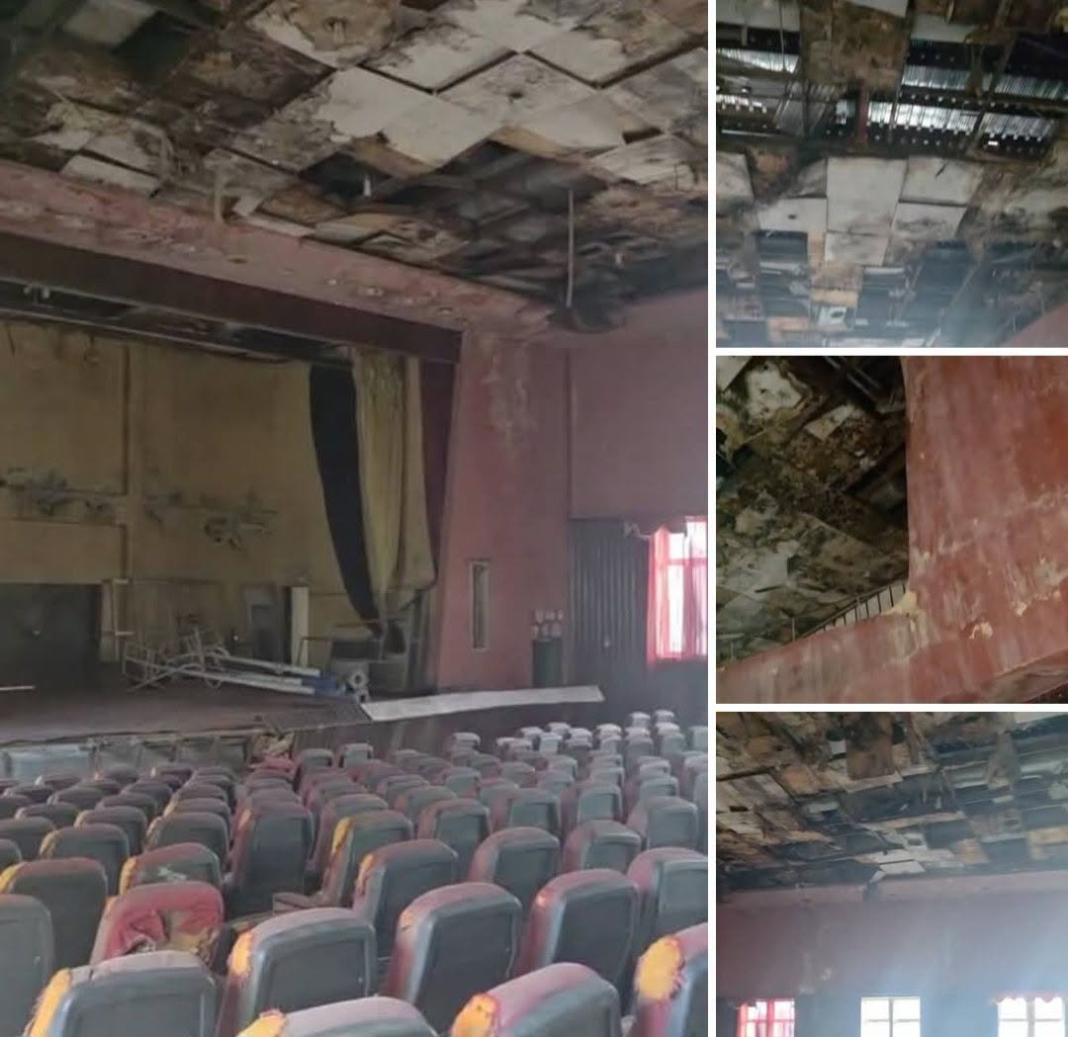
Years of deterioration have left the historic facility in a state of disrepair. Broken chairs, leaking roofs, damaged ceilings, crumbling walls and a deteriorating stage have replaced the vibrancy that once defined one of the capital’s most recognizable public venues.
The theater’s condition is raising difficult questions about how successive city administrations managed infrastructure entrusted to their care and whether sufficient attention was given to preserving a facility that once served as both a cultural hub and a potential source of municipal revenue.
The issue has taken on added significance as Monrovia prepares for a leadership transition following President Joseph Nyuma Boakai’s nomination of James Kpadeh Mulbah on November 11, 2026, to replace outgoing Mayor John-Charuk Siafa.
Mulbah inherits a city facing numerous challenges, including sanitation, infrastructure rehabilitation, revenue generation and institutional reform. Among those challenges is restoring confidence in the city’s ability to maintain and protect its own public assets.
For many residents, the deteriorating theater represents a contradiction. While the MCC is charged with improving the appearance and functionality of Liberia’s capital, one of its own landmark facilities has steadily fallen into disrepair.
The consequences extend beyond aesthetics.
For years, the theater hosted conferences, cultural exhibitions, entertainment programs and community activities. Its closure has deprived residents of a valuable public space while eliminating opportunities for income generation through event rentals and other commercial activities.
Questions surrounding the facility’s decline have also focused on whether adequate maintenance systems were in place before conditions worsened.
According to the MCC, severe roof leakages sustained during the 2023 rainy season forced the closure of the theater. Reports published in 2026 documented continuing structural problems, including damaged ceilings, leaking roofs, broken seating and worsening interior conditions.
Public infrastructure specialists note that facilities such as theaters require routine maintenance, periodic engineering assessments and consistent investment to remain operational. Without those measures, deterioration can quickly render public buildings unsafe and unusable.
The current state of the theater is particularly striking when compared to earlier years. In 2013, former President Ellen Johnson Sirleaf publicly praised efforts undertaken by then Acting Mayor Mary Broh to renovate City Hall and improve municipal facilities, transforming the complex into a venue suitable for public functions and civic engagement.
That achievement underscored the value of sustained investment in public infrastructure. The theater’s present condition, however, has renewed debate over why those gains were not preserved through successive administrations.
While criticism has intensified, city officials argue that efforts have been made to reverse the decline.
In August 2025, the MCC rejected claims that the facility had been abandoned and announced plans to pursue a Public-Private Partnership to modernize the theater. The corporation subsequently launched renovation activities on May 22, 2026, and received donated construction materials, including aluminum roofing sheets, from businessman Abraham Avi Zaidenberg.
Even so, residents and stakeholders continue to seek greater transparency regarding the rehabilitation effort. Questions remain about project funding, the scope of completed work, the estimated cost of restoration and whether the incoming administration will continue the initiative without interruption.
The broader concern extends beyond a single building.
The theater’s deterioration highlights a recurring challenge facing public institutions across Liberia: the tendency to invest in infrastructure without establishing sustainable systems for maintenance and long-term preservation.
As Mulbah prepares to take office, many observers view the future of the City Hall Theater as an early test of his administration’s commitment to institutional reform and responsible asset management.
Ultimately, the theater’s declining condition is about more than damaged walls and leaking roofs. It reflects broader concerns about oversight, planning and accountability in the management of public resources.
With a new administration on the horizon, Monrovians are looking not only for explanations but for decisive action to restore one of the city’s most important public landmarks and ensure it does not become another casualty of neglect.

