

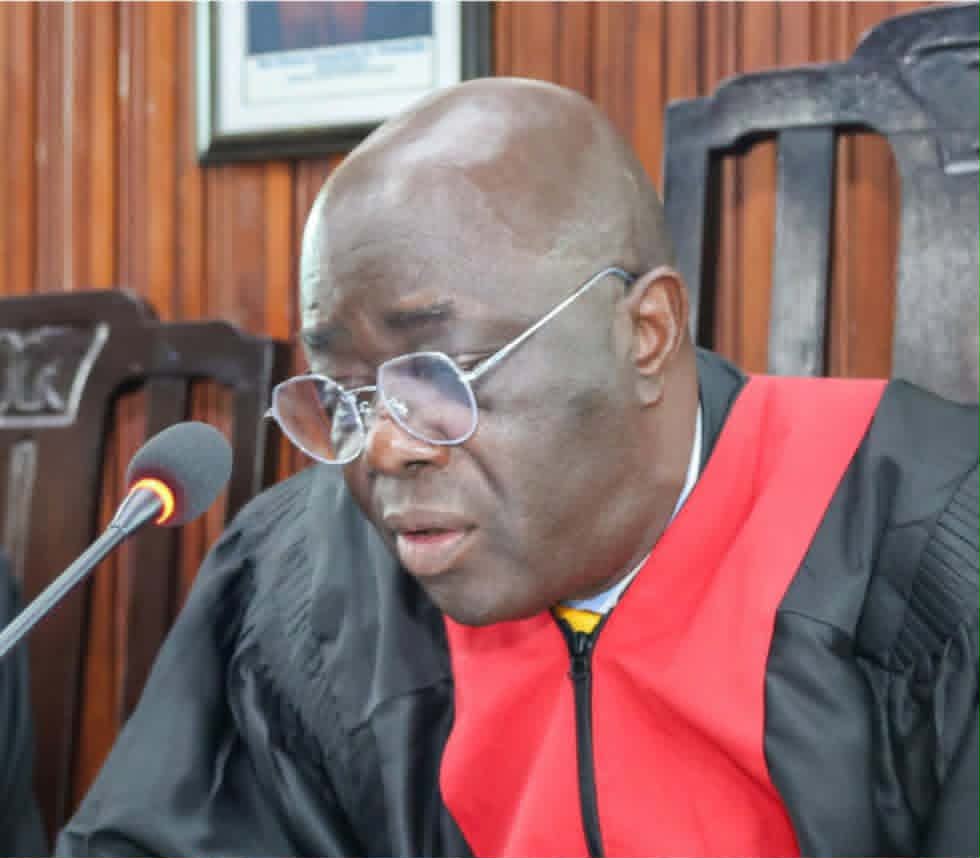
The Judiciary of Liberia has issued a blistering rebuttal to a sensational publication that falsely claimed Chief Justice Yamie Quiqui Gbeisay ordered a probe into alleged jury tampering in a high‑profile US$6.2 million corruption case.
In a strongly worded statement, the Judiciary branded the report as “categorically false, misleading, reckless, and clearly intended to create a false impression” that the Chief Justice had improperly interfered in an ongoing criminal matter.
“At no time did the Chief Justice issue any mandate, order, directive, or instruction authorizing an investigation into alleged jury tampering,” the statement declared, dismissing the story as “entirely fabricated” and bearing “absolutely no resemblance to any official action or position of the Judiciary.”
The Judiciary emphasized that under Liberia’s constitutional framework, the Chief Justice does not arbitrarily intervene in criminal proceedings or undertake unilateral investigations into jury deliberations. Such interference, it noted, would be legally impossible and institutionally prohibited.
The attempt to attribute such conduct to Chief Justice Gbeisay, the statement continued, was “not only legally absurd, but also a deliberate smear campaign calculated to undermine public confidence in the independence, neutrality, and integrity of the Judiciary.”
Officials expressed deep concern over what they described as a growing trend of weaponized misinformation and speculative reporting aimed at inflaming public sentiment around sensitive cases.
“This conduct does grave harm to the administration of justice and threatens the sanctity of Liberia’s democratic institutions,” the Judiciary warned, underscoring the dangers of propaganda masquerading as journalism.
Reaffirming its unwavering commitment to judicial independence, the Judiciary stressed that verdicts rendered by juries are products of Liberia’s established legal process — not political manipulation, media pressure, or conspiracy theories.
“The Judiciary remains firmly committed to the rule of law, judicial independence, and the constitutional rights of all persons appearing before the courts,” the statement read.
Citizens were urged to disregard the false publication and rely solely on verified communications issued through official Judiciary channels. The institution further reserved the right to pursue all lawful remedies against the dissemination of knowingly false and defamatory information designed to damage its credibility.

