

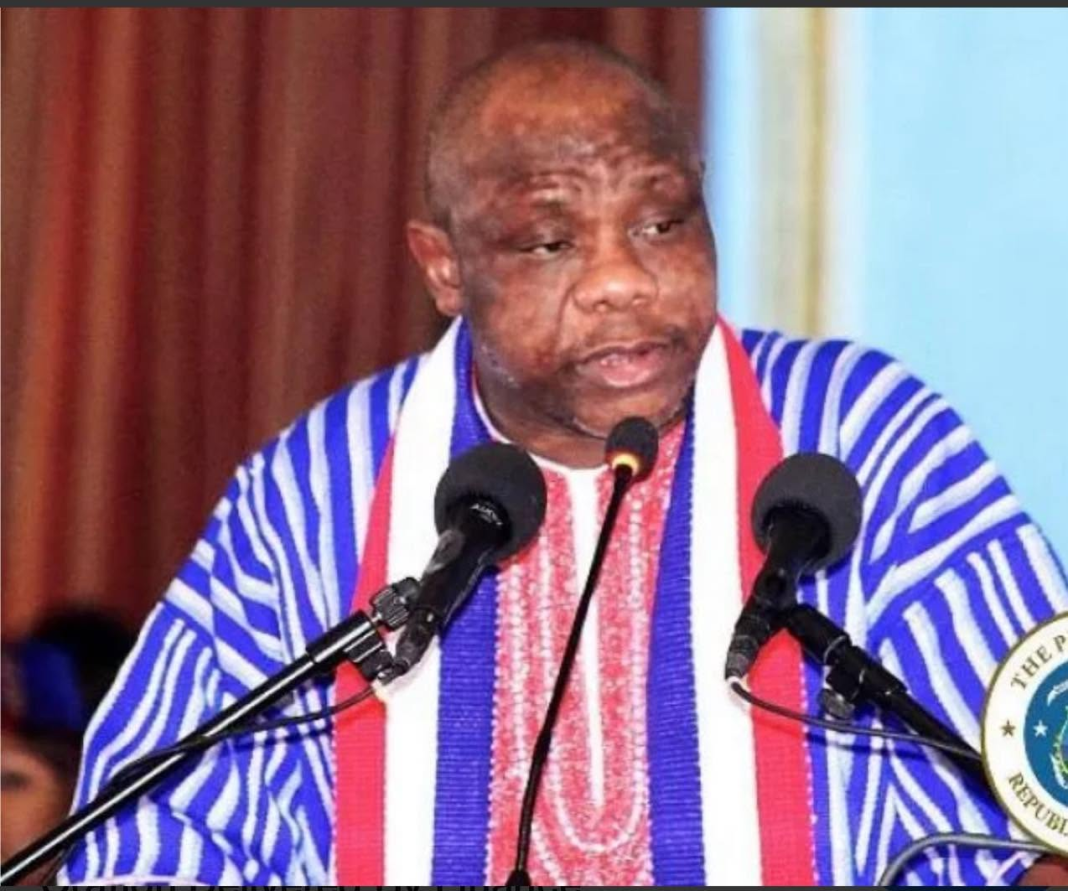
Former Finance and Development Planning Minister Samuel D. Tweah has waded into Liberia’s intensifying debate over wages and living costs, insisting that the country’s US$150 monthly minimum wage gives low-income workers more purchasing power than their counterparts in several West African nations.
In a detailed Facebook post, Tweah compared basic living expenses in Liberia, Ghana, Sierra Leone, Côte d’Ivoire, and Nigeria. His analysis covered food, one room rent, electricity, telecommunications, and transportation. He argued that Liberian minimum wage earners retain a positive balance after covering essentials, while workers in the other four countries fall into deficit.
Tweah’s intervention follows the government’s recent celebration of crossing the US$1 billion domestic revenue mark—a milestone he dismissed as “foolhardy.” He contended that the real issue is not revenue totals but whether the national budget delivers tangible benefits to ordinary Liberians.
“The controversy around the revenue milestone highlights the need to rethink how public resources are allocated,” Tweah said, urging a redesign of the national budget ahead of 2029 to ensure spending produces greater economic and social impact.
Tweah credited former President Ellen Johnson Sirleaf for signing the Decent Work Act in 2015, which established Liberia’s statutory wage framework, and former President George Manneh Weah for implementing the US$150 benchmark during his administration.
The International Labour Organization hailed the Decent Work Act as a landmark labor law. It set minimum daily wages of US$5.50 for formal sector workers and US$3.50 for domestic and casual workers, while allowing room for negotiation. Over time, the US$150 monthly figure became the dominant benchmark in public sector wage debates.
During his 2023 Annual Message, Weah acknowledged that about 15,000 government workers remained below the threshold, though salary adjustments had already lifted more than 28,000 employees. Current Finance Minister Augustine Kpehe Ngafuan later declared that no central government employee earned less than US$150 in gross salary, though deductions sometimes reduced take home pay.
A central pillar of Tweah’s argument is his rejection of claims that Monrovia is West Africa’s most expensive city. He said his city-based comparison showed Liberian minimum wage earners ended with positive balances after essential expenses, while workers in Ghana, Nigeria, Sierra Leone, and Côte d’Ivoire recorded deficits.
Tweah cited the World Bank’s 2021 International Comparison Program (ICP) and its Price Level Index, which measures purchasing power parity against market exchange rates. By his reading, Liberia’s overall price level was lower than Nigeria, Côte d’Ivoire, and Sierra Leone, and only slightly higher than Ghana.
“Some have implied that Liberia’s higher minimum wage is merely compensatory for higher prices,” Tweah wrote. “That argument is unsupported by the data.”
Tweah urged President Joseph Nyuma Boakai to ensure that all government workers receive at least the US$150 benchmark, noting that the Weah administration had brought approximately 95 percent of employees to that level. He pressed the current government to address the remaining five percent.
At the same time, he argued that Liberia’s economic debate must move beyond revenue collection. “Increasing revenue alone should not be the central measure of progress,” he said, stressing that expenditure must translate into jobs, infrastructure, public services, and improved living conditions.
While defending the wage policy, Tweah maintained sharp criticism of the current administration, accusing it of “selective justice and rule of law violations.” He insisted that Liberia can demand accountability from the Rescue government while simultaneously debating how the national budget can deliver greater benefits.
Tweah’s intervention underscores Liberia’s broader struggle: balancing revenue growth, wage expansion, cost of living pressures, and the efficiency of government spending. The World Bank has repeatedly emphasized the need to improve expenditure efficiency and create fiscal space for public investment, even as Liberia strengthens domestic revenue mobilization.
Ultimately, Tweah’s argument situates the minimum wage debate within a larger national question: whether Liberia’s growing revenues are being converted into real improvements in purchasing power and living standards for ordinary workers.

