

By Festus Poquie
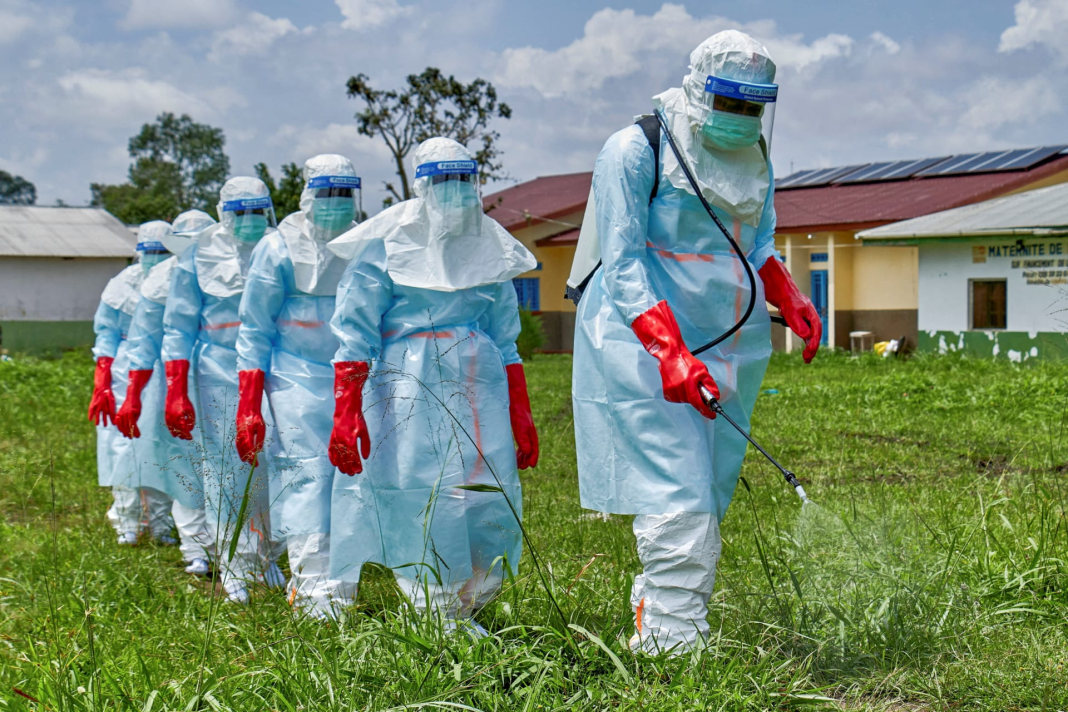
Liberia’s ability to prevent and contain another Ebola outbreak is facing gaps in border screening, medical supplies and isolation facilities, according to a World Health Organization assessment that examined the country’s emergency response capacity.
WHO, led by its Representative in Liberia, Dr. Olushayo Olu, conducted a field assessment in Lofa, Bong and Margibi counties from Oct. 19 to 23, 2026, examining the readiness of health facilities and border authorities to prevent, detect and respond to Ebola and other epidemic-prone diseases.
Published on the agency website, the findings highlight vulnerabilities in a country still marked by the devastating 2014-2016 Ebola epidemic, which killed more than 4,800 people in Liberia and exposed weaknesses in its healthcare infrastructure.
The wider West African epidemic killed more than 11,000 people and inflicted severe economic damage across the region, including Liberia, where businesses closed, agricultural production declined and economic activity contracted.
The assessment comes amid renewed concerns about Ebola outbreaks in Central and East Africa, including the Democratic Republic of Congo and Uganda, underscoring the importance of regional surveillance and preparedness against cross-border disease transmission.
At Bologuadou Point of Entry along Liberia’s border with Guinea in Lofa County, WHO officials found shortages of screening equipment and infection prevention supplies, as well as the absence of a dedicated isolation facility.
Although border authorities were cooperating on disease monitoring and information sharing, the deficiencies raise questions about the country’s ability to quickly identify and isolate suspected cases before infections spread into communities.
Across the six health facilities visited, including Telewoyon Memorial Hospital in Lofa, Phebe Hospital and Gbalatuah Health Centre in Bong, and C.H. Rennie Hospital and Gonola Clinic in Margibi, the delegation examined the availability of protective equipment, trained personnel, isolation facilities and emergency referral systems.
The assessment also identified weaknesses in surveillance documentation, shortages of essential medical supplies and limited operational readiness at some isolation facilities.
The findings point to broader structural challenges facing Liberia’s healthcare system, including shortages of skilled health workers, infrastructure constraints and inconsistent availability of medicines and other medical supplies.
WHO, however, acknowledged areas of progress, including functioning Community Drug Revolving Funds, healthcare coordination and the continued delivery of essential services such as maternal and child healthcare, immunization and outpatient treatment.
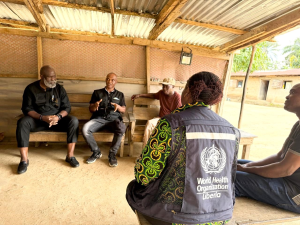
Dr. Olu used meetings with county authorities and health officials to advocate for greater investment in healthcare, arguing that stronger health systems are essential to community well-being and sustainable development.
The 2014 Ebola epidemic remains a stark reminder of the economic consequences of weak disease surveillance and emergency response capacity. Beyond the thousands of deaths, the outbreak disrupted trade, agriculture, investment and public services, exposing the vulnerability of Liberia’s economy to major public health emergencies.
WHO said it would continue working with the Liberian government, county authorities and health partners to improve emergency preparedness and advance universal health coverage.

