

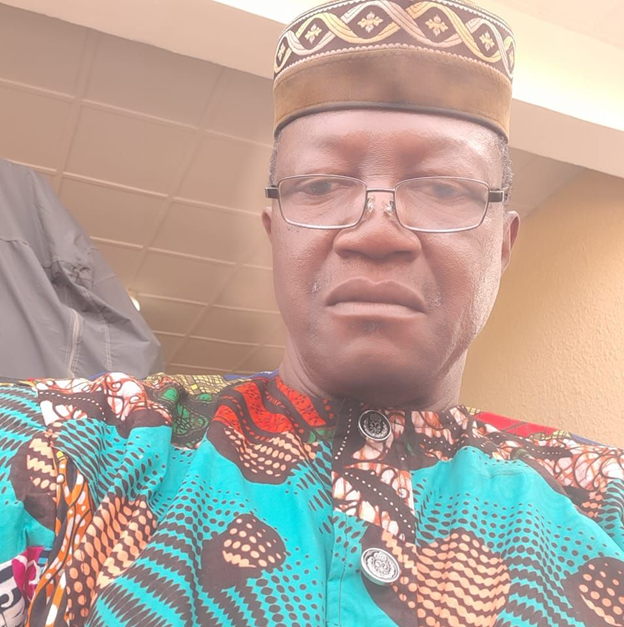
By Prof. Dr. Kettehkumehn E. Murray (Professor and former Lawmaker)
As technology continues to advance, many people wonder if computers will eventually replace humans. But what if instead of replacement, we could create a partnership that leverages the strengths of both humans and machines? In this piece, we’ll explore the potential benefits of human-machine collaboration and what the future might hold for this exciting partnership.
The Evolution of Human-Machine Relationships
From simple tools (the stone we use to crack a palm kernel, crayfish basket we plait, mortar and pestle, and bow and arrow), to complex machines (like radio, telephone, tv, car and airpline), humans have always used technology to augment their existence. Today, we’re on the cusp of a new era in human-machine collaboration.
Machines can perform tasks that were previously thought to be the exclusive domain of humans, such as complex data analysis, problem-solving, and even creativity.
Benefits of Human-Machine Collaboration
By working together, humans and machines can achieve far more than either could alone. Machines can free humans from mundane and repetitive tasks, allowing us to focus on more complex and creative pursuits. For example, in healthcare, machines can help diagnose diseases, while humans provide empathy and care to patients. In manufacturing, machines can handle assembly-line work, while humans oversee quality control and innovation.
Addressing Concerns and Misconceptions
Some people worry that machines will replace humans, leading to job loss and economic disruption. However, history has shown that technological advancements often create new opportunities and industries that we can’t yet imagine. By embracing human-machine collaboration, we can unlock new possibilities and drive progress.
The Future of Human-Machine Partnership
As machines become increasingly sophisticated, we’ll see even more exciting applications of human-machine collaboration. Imagine machines that can help us solve complex problems like climate change, disease diagnosis, and sustainable energy. With humans and machines working together, we can create a brighter future for all. We should not look at machines as “master-servant,” but “partners” in this bright, new world of unlimited possibilities.
About the Author
Kettehkumuehn Earl Murray is a philosopher, educator, and lawmaker with a passion for exploring the intersection of technology and human existence. He has taught philosophy and theology at Shaw University, the University of Liberia, and Liberia Baptist Theological Seminary, and has served as a lawmaker in the Liberian House of Representatives. He is the author of several books, including “Oral Utterances,” “Why Call Me Dog,” and “… And So They Came.” Murray is also the founder of “University of the Air” and a consultant with First Associates Inc.

