

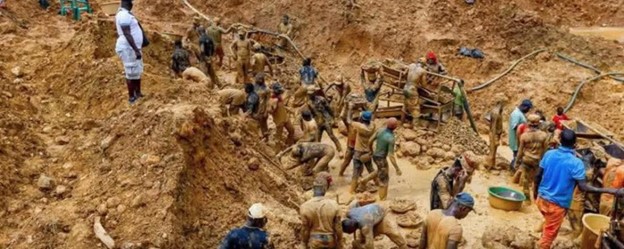
In Liberia’s southeastern counties—Grand Kru, Rivercess, and Sinoe—a troubling narrative of environmental destruction and regulatory neglect is unfolding. Investigations by the Southeastern Communication Network (SCN) reveal widespread illicit mining operations, ranging from illegal dredge mining to unregulated Class B activities. The aftermath is visible: abandoned trenches, polluted rivers, and ecosystems stripped of resilience.
At the center of community frustration is the Environmental Protection Agency’s surety bond system. Intended as a safeguard, the $10,000 bond has instead become a loophole. “The EPA’s surety bond requirement is a joke,” one industry insider told SCN. Companies pay the fee, exploit resources, and vanish—leaving devastated communities with unfulfilled reclamation promises. Recent inspections in Grand Kru and Rivercess uncovered operators mining without permits, deploying heavy machinery illegally, diverting rivers, and contaminating water sources vital to local livelihoods.
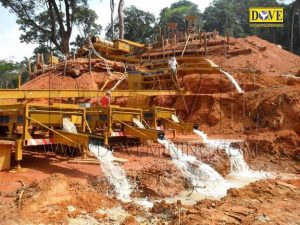
Regulatory gaps have emboldened mining firms, including those with cooperative licenses, to evade accountability. In Sinoe County, dredge mining has been officially banned since 2019, yet enforcement remains absent. Allegations of bribery and collusion involving Ministry of Mines and Energy agents have surfaced, with contaminated waterways such as the Dugba River bearing the evidence. Even areas near Sapo National Park—Liberia’s largest protected reserve—face encroachment, raising fears of irreversible ecological damage.
The human toll is stark. Unclaimed trenches have destroyed forests, displaced wildlife, and erased traditional hunting and fishing livelihoods. “Hunters are dying, and our forests are being destroyed,” a community leader lamented. “We demand justice.” The crisis extends beyond small-scale operations. Bea Mountain Mining Corporation, one of Liberia’s largest ventures, has faced accusations of toxic spills involving cyanide, arsenic, and copper. The fallout includes mass fish deaths, cracked homes from blasting, and elephants raiding farms—yet government intervention remains muted despite its stake in the company.
Experts warn that Liberia is hemorrhaging millions in potential revenue due to weak transparency and enforcement. The absence of robust oversight not only undermines environmental protection but also deprives the state of critical funds. “It’s time for the government to take responsibility,” a mining expert urged. “Partner with media and civil society for accountability.” Communities echo this demand, pointing to limited budgets, ignored pleas, and a culture of impunity that has allowed destructive practices to flourish.
The scandal in southeastern Liberia is more than an environmental crisis—it is a test of governance and accountability. With rivers poisoned, forests scarred, and livelihoods shattered, the urgency for reform is undeniable. Stronger enforcement, transparent revenue management, and genuine collaboration with civil society are essential if Liberia is to protect its environment and restore public trust.
The people of Grand Kru, Rivercess, and Sinoe are demanding answers. The environment itself is crying out for justice. Whether authorities will finally rise to the challenge remains the defining question.

