
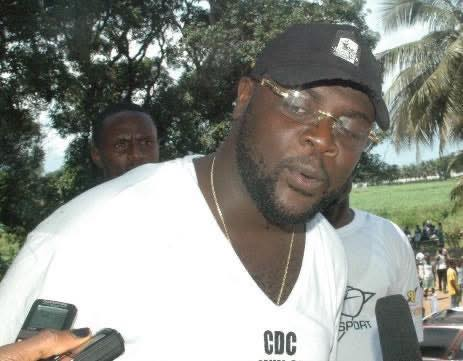
On April 24, 2026, passengers aboard Royal Air Maroc Flight AT200 from Casablanca to New York experienced a harrowing ordeal that will forever remain etched in their memories. Among them was George Solo, the former Chairman of the Centers for Disease Control (CDC), whose sudden and tragic death during the transatlantic journey shocked fellow travelers and raised urgent questions about airline preparedness and medical response protocols.
For many passengers, Flight AT200 began like any other long-haul journey. The bustling Casablanca airport was filled with travelers eager to reach their destinations. Yet, even before boarding, one eyewitness noticed something unusual. A man, dressed in a blue coat suit, white shirt, and a Burberry scarf, appeared visibly distressed. He was sweating profusely, gasping for breath, and vomiting foam and saliva. That man was later identified as George Solo.
Despite his obvious discomfort, Solo boarded the flight. Witnesses recall his struggle to remain composed, clutching his black checkered bag as he made his way down the aisle. His condition worsened once the plane was airborne, transforming what should have been a routine journey into a scene of panic and helplessness.
Passengers seated near Solo described his deterioration in vivid detail. “He was restless, sweating, and clearly in pain,” one traveler recounted. “At first, we thought it was motion sickness, but it quickly became clear this was something far more serious.”
As the hours passed, Solo’s breathing became labored. He reportedly whispered to a fellow passenger, “I’m happy I’m going to get real help back home, bro.” Those words, filled with both hope and resignation, would be among his last.
Despite the desperate situation, witnesses claim that airline staff appeared unprepared. No immediate medical intervention was offered, and passengers were left to comfort Solo as best they could. His condition spiraled until he collapsed, leaving the cabin in stunned silence.
Eyewitnesses describe the atmosphere as tense and surreal. Some passengers prayed quietly, while others pleaded with the crew to act. But the lack of trained medical response onboard proved fatal. Solo’s life slipped away mid-flight, thousands of feet above the Atlantic Ocean.
When the plane finally landed in New York, emergency responders were waiting. Yet, it was too late. George Solo was pronounced dead, his journey ending not in the safety of home but in the confines of an aircraft cabin.
George Solo was not just another passenger. As former Chairman of the CDC, he had played a pivotal role in shaping public health policy. His career was marked by advocacy for stronger disease surveillance, pandemic preparedness, and international cooperation in health crises. His death, therefore, carries symbolic weight: a man dedicated to saving lives lost his own in circumstances that highlight systemic gaps in emergency response.
Colleagues and admirers have since paid tribute to his legacy. “George was a fighter for public health,” one former associate said. “It is tragic that he died in a situation where timely intervention might have saved him.”
The incident has sparked debate about airline responsibilities and passenger safety. Why was Solo allowed to board despite his visible distress? Why did the crew fail to provide adequate medical assistance? And most importantly, what protocols exist to handle such emergencies at 30,000 feet?
Critics argue that airlines must enforce stricter health screenings and ensure staff are trained in advanced medical response. “Situational awareness training should be mandatory,” one passenger insisted. “In the United States, this situation would have been handled immediately. Why not in Morocco?”
The tragedy underscores a broader issue: international disparities in aviation health standards. While some airlines boast robust medical preparedness, others lag behind, leaving passengers vulnerable.

Beyond policy debates, the human dimension of Solo’s death is deeply poignant. Fellow passengers described feelings of helplessness and sorrow. “We watched a man die before our eyes,” one said. “It was heartbreaking. We wanted to help, but we couldn’t.”
For Solo’s family, the loss is immeasurable. A respected leader, mentor, and advocate, he leaves behind not only professional achievements but also personal bonds that will never be replaced.
In the wake of the incident, aviation experts and public health advocates are calling for reforms. Proposals include: Mandatory medical training for flight attendants beyond basic first aid, equipping aircraft with advanced medical kits and telemedicine support, stricter pre-boarding health assessments for visibly ill passengers.
- International cooperation to standardize emergency response protocols across airlines.
Such measures, they argue, could prevent future tragedies and honor Solo’s legacy by ensuring no passenger suffers a similar fate.
News of Solo’s death reverberated across Liberia and beyond. Tributes poured in from government officials, health professionals, and ordinary citizens who admired his dedication. His passing is not only a personal loss but also a national one, depriving the country of a seasoned voice in public health.
In Monrovia, vigils were held to honor his memory. “George Solo gave his life to protect ours,” one mourner said. “We must ensure his death is not in vain.”
The tragic death of George Solo aboard Flight AT200 is more than a personal misfortune—it is a wake-up call. It exposes vulnerabilities in global aviation health standards and raises urgent questions about accountability, preparedness, and compassion. For passengers, it was a nightmare; for his family, an irreplaceable loss; and for the world, a reminder that even those who dedicate their lives to saving others are not immune to systemic failures.
As airlines and regulators grapple with the aftermath, one truth remains clear: George Solo’s final journey must inspire change. His death should not be remembered solely as a tragedy but as a catalyst for reform, ensuring that future passengers receive the care and protection they deserve.

