

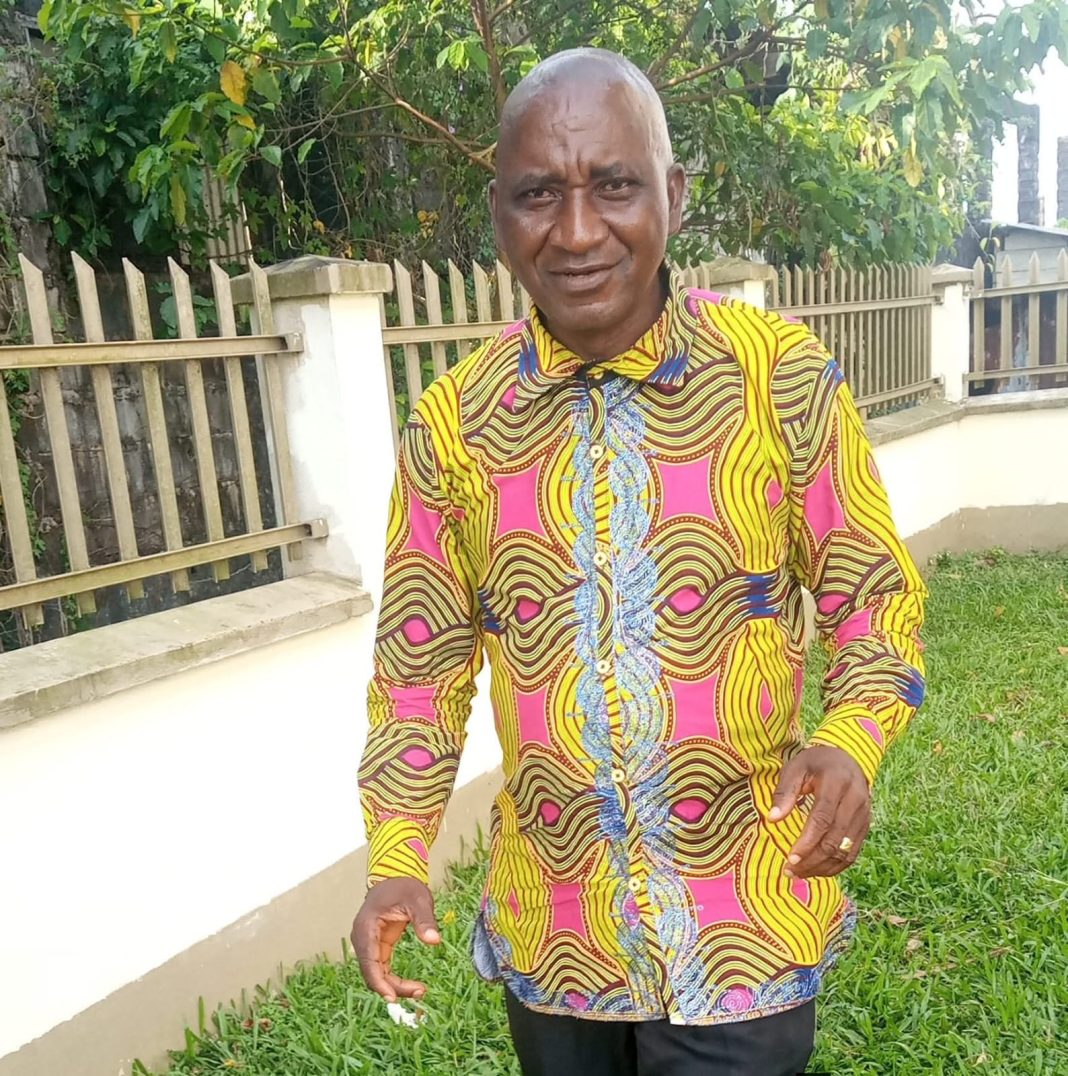
Liberia is gripped by fear and mounting anxiety as nearly two months have passed since Solomon G. Jaryenneh, a senior magistrate of the National Elections Commission (NEC), mysteriously disappeared while on official assignment in the country’s southeast. His family, weary from weeks of silence, is demanding urgent government intervention, warning that the absence of answers is eroding public trust and intensifying nationwide concern over citizen safety.
Jaryenneh, assigned to Sinoe County, was last seen on March 27 after attending NEC workshops in Maryland and Nimba counties. Contact with him abruptly ceased, leaving relatives scrambling for clues. They searched communities, revisited locations, and reached out to acquaintances, but every effort ended in frustration.
“What troubles us most is the silence,” one family member told reporters. “Every day without information increases our fear. We are not asking for miracles. We are asking the government to treat this matter seriously and help bring our brother home.”
In a statement signed by Rev. Richard W. Noah, the family described the ordeal as “painful and alarming,” stressing that weeks of uncertainty have left them emotionally exhausted. His wife, Mrs. Hawa Jaryenneh, formally petitioned the NEC on April 23, expressing grave concern. She revealed that her husband had planned travel near the Liberia–Côte d’Ivoire border, reportedly linked to traditional medical treatment, before vanishing without a trace.
The family has now appealed to the Liberia National Police, the Ministry of Justice, and other security agencies to launch a coordinated and aggressive search across Maryland and Nimba counties. They are also demanding regular public updates to reassure citizens that active efforts are underway.
Inside the NEC, unease is spreading. A senior elections worker admitted anonymously: “Solomon is a respected worker and a calm professional. People are worried because this is not normal. We hope the security agencies can move quickly and transparently.”
The NEC has since confirmed that it formally requested a police investigation, notifying Inspector General Gregory O. W. Coleman. In its release, the Commission emphasized that the matter is being treated with “utmost seriousness and sensitivity,” given Jaryenneh’s senior role in Liberia’s electoral framework.
Citizens across Liberia are voicing alarm. In Greenville, Sinoe County, resident David Palay questioned whether authorities are applying sufficient urgency: “If a government worker can disappear after official work and nobody can explain what happened, then ordinary people will naturally feel unsafe.”
In Monrovia’s New Kru Town, Cecelia Doe expressed frustration over sluggish investigations: “Families suffer quietly while investigations drag. Imagine what his children or relatives are going through every day not knowing whether he is alive.”
Civil society advocates have also begun weighing in. Youth activist Moses Teah warned: “This should not become another forgotten case. Liberians deserve to know that when someone disappears, especially under circumstances linked to official work, the state will respond swiftly and consistently.”
Security experts caution that prolonged silence in disappearance cases can fuel speculation, mistrust, and fear. One analyst noted: “When the missing person is connected to a public institution, the stakes are even higher. Transparency is critical to prevent rumors from undermining confidence in state protection mechanisms.”
Political observers echo these concerns, warning that unresolved cases involving public officials could erode trust ahead of future electoral activities. Field staff, often required to travel across remote terrains, may feel increasingly vulnerable without visible assurances of safety.
For the Jaryenneh family, the ordeal is deeply personal. Relatives describe sleepless nights, emotional exhaustion, and the crushing weight of uncertainty. “We just want him found,” Rev. Noah pleaded. “No family deserves to live in fear and uncertainty for this long without answers.”
Mrs. Jaryenneh’s communication to the NEC underscored the family’s anguish, detailing how every attempt to reach her husband since April 2 has failed. His exact location and condition remain unknown, leaving loved ones trapped in a cycle of hope and despair.
The disappearance of a senior elections magistrate is more than a family tragedy; it is a national concern. Liberia’s fragile security environment and the strategic importance of electoral officials in safeguarding democracy make the case particularly alarming.
The NEC has urged citizens to assist security agencies with any credible information, reaffirming its commitment to staff welfare and institutional transparency. Yet, as weeks turn into months, the absence of concrete updates has only deepened public unease.
As pressure mounts, Liberians are watching closely to see whether the government will launch a visible search effort or provide concrete information. The case has become a litmus test for state responsiveness in matters of citizen safety and institutional accountability.
For now, the silence remains deafening. The fate of Solomon G. Jaryenneh hangs in the balance, his family clinging to hope, and a nation anxiously awaiting answers.

