

By D. Abraham Cooper | Grand Gedeh County
The people of Grand Gedeh are raising their voices louder than ever, demanding that the wealth buried beneath their soil finally translates into tangible benefits for their communities.
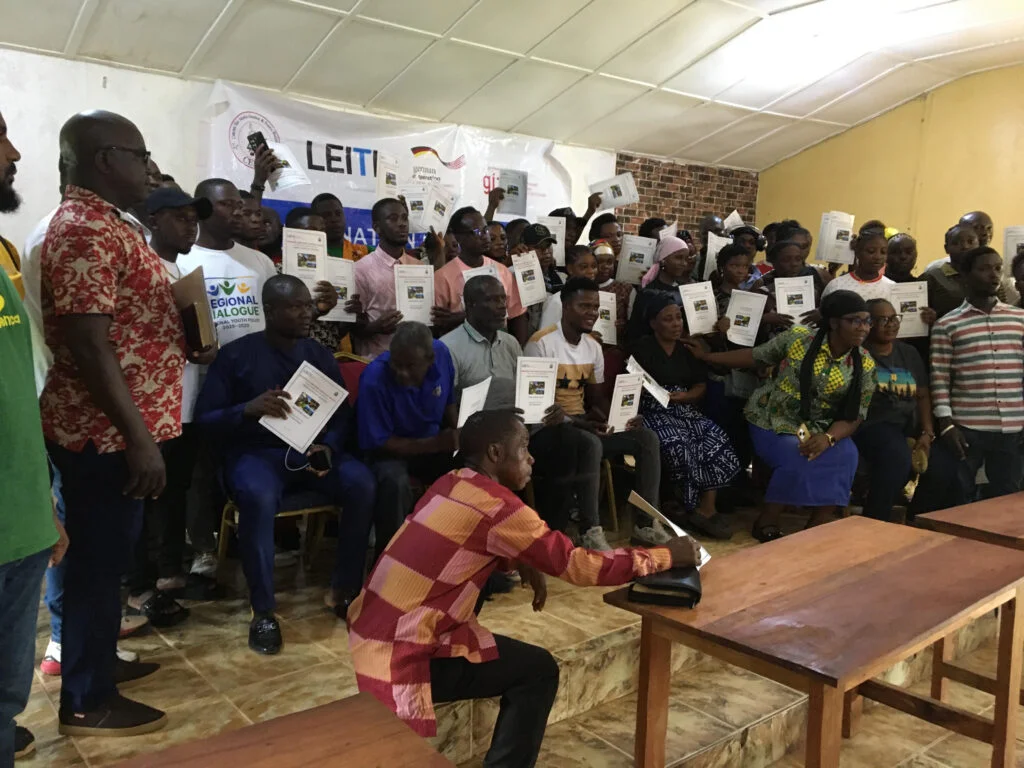
More than 50 journalists, civil society actors, and local stakeholders gathered in Zwedru City on September 9 for a one-day training session designed to strip away the secrecy surrounding concession agreements.
The event, organized by the Center for Media Studies and Peace Building (CEMES) in partnership with the Liberia Extractive Industries Transparency Initiative (LEITI) and supported by German development agency GIZ, carried a clear message: natural resources must serve the people, not just the companies that exploit them.
LEITI Sector Analyst J. Elijah Kai electrified the room with a blunt truth — most citizens have no idea what companies have promised under concession agreements. “We are telling the people that this is the information you need to know,” Kai declared, urging residents to demand answers from both concessionaires and county officials.
Kai explained that agreements often include commitments to employment, infrastructure, environmental protection, and social services. Yet too often, these promises remain locked in documents that ordinary citizens cannot access or understand. LEITI’s mission, he said, is to simplify these agreements so communities can hold companies accountable.
Participants discussed the stark realities of resource extraction: jobs that bypass locals, roads left unpaved, health facilities reserved for company staff, and businesses starved of contracts. The training emphasized that host communities must be vigilant in monitoring whether concessionaires are truly delivering on their obligations.
Kai stressed that economic opportunities should remain in resource-rich counties like Grand Gedeh, rather than being siphoned away to outsiders. “Activities taking place here should create opportunities for residents instead of allowing most specialized jobs, contracts, and benefits to leave the communities,” he warned.
The session placed heavy responsibility on journalists, urging them to rely on official documents rather than company press statements. Facilitators encouraged reporters to dig into concession agreements, licenses, and commitments to expose whether promises are being met.
Civil society organizations were likewise called to action — to educate communities, monitor company activities, and create platforms for citizens to voice development concerns. Transparency, accountability, and environmental protection were underscored as non-negotiable pillars of Liberia’s resource future.
As the training concluded, one theme rang clear: Liberia’s natural wealth must fuel development, not deepen poverty. Organizers insisted that employment, government revenues, local businesses, and community projects must go hand in hand with transparency and accountability.
For Grand Gedeh, the cry is unmistakable. Communities want more than promises — they want justice, fairness, and a future where the riches of their land finally reach the people who live upon it.

