

By E. J. Nathaniel Daygbor
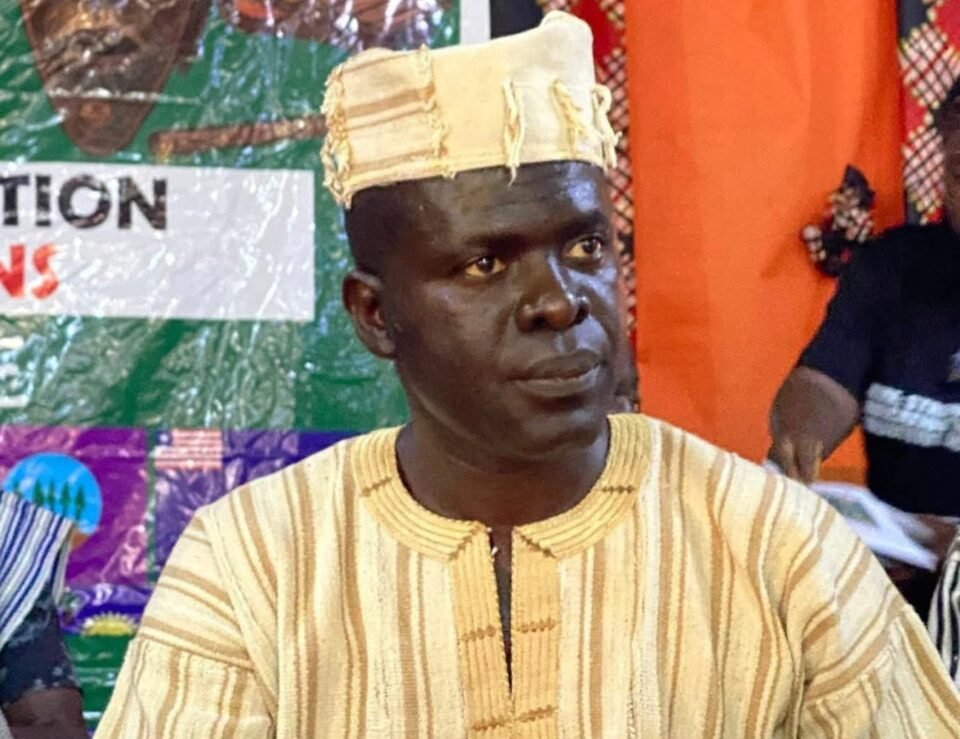
As Liberia continues its post-war development journey, environmental policy expert and governance advocate Dr. Emmanuel K. Urey Yarkpawolo has proposed a 25-year national development framework designed to ensure continuity in governance and shield long-term development goals from electoral politics.
Writing after returning from engagements in New York and Washington, D.C., Yarkpawolo argues that Liberia’s development agenda should transcend political cycles and become a national undertaking supported by law, measurable targets, and institutional accountability.
His comments come amid ongoing implementation of the government’s ARREST Agenda and growing public discourse about policy continuity across administrations.
Yarkpawolo noted that since the end of Liberia’s civil conflicts, successive governments have introduced ambitious national development blueprints, including the Poverty Reduction Strategy, the Agenda for Transformation, the Pro-Poor Agenda, and now the ARREST Agenda.
While acknowledging the importance of those initiatives, he questioned whether the country has consistently translated development plans into measurable and sustainable outcomes.
According to him, the structure of Liberia’s six-year presidential term often limits the effective implementation of long-term projects. He observed that new administrations typically devote significant time to developing policies and plans before implementation gains momentum, while the latter years of a term are frequently dominated by political calculations associated with upcoming elections.
“Planning is necessary, and development continues during election periods, but we must ask how much momentum is lost through repeated planning processes and political competition,” he said.
Yarkpawolo also highlighted recurring disputes over ownership and recognition of development projects initiated by one administration and completed by another. He argued that such disagreements often deepen partisan divisions and distract from the broader national interest.
“Citizens deserve an honest account of the contribution made by each administration, but development projects themselves should remain national achievements rather than partisan trophies,” he emphasized.
To address these challenges, Yarkpawolo proposed the creation of a legally backed 25-year national development framework that would be implemented through rolling five-year plans.
Under the proposal, Liberia would first undertake extensive national consultations involving political parties, businesses, civil society organizations, community leaders, and members of the diaspora across all 15 counties.
These consultations would establish long-term development goals in key areas such as education, healthcare, employment, infrastructure, food security, and environmental protection.
He further recommended the enactment of a National Development Continuity and Planning Act that would compel successive governments to align their programs with nationally agreed priorities and provide regular reports on implementation progress. Any major policy shifts, he argued, should be subjected to public consultations and legislative oversight.
While advocating continuity, Yarkpawolo stressed that future governments must retain enough flexibility to respond to unforeseen challenges and emerging opportunities. He proposed that five-year implementation plans should clearly identify priorities, costs, funding sources, responsible institutions, and timelines, while allowing room for innovation and policy adjustments when necessary.
A key aspect of the framework involves strengthening the Governance Commission. Rather than creating a new institution, he suggested expanding the Commission’s mandate to coordinate development reviews, maintain records, assess national progress, and publish independent reports.
“The Commission should have operational independence, secure funding, and the freedom to issue findings without political interference,” he argued.
Yarkpawolo also called for stronger protections for professional civil servants and technical experts. He warned that frequent turnover of experienced personnel after elections often results in the loss of institutional knowledge and disrupts development momentum.
To promote continuity, he proposed merit-based appointments for designated technical positions, staggered terms for commissioners, and stronger safeguards for career professionals, while maintaining accountability through performance evaluations and disciplinary procedures.
Additionally, he advocated linking annual budgets directly to long-term development goals and establishing a public project register documenting project timeline, funding sources, implementation status, and the contributions of successive administrations.
To enhance accountability, Yarkpawolo recommended publishing annual national progress reports detailing government commitments, expenditures, achievements, and unfinished projects, enabling citizens to evaluate performance using consistent benchmarks.
Drawing lessons from countries such as Indonesia, Singapore, Japan, and South Korea, he argued that sustained development depends on strong institutions, policy continuity, and long-term investment.
He urged President Joseph Boakai’s administration and the Legislature to spearhead the reform process while implementing the ARREST Agenda.
“As I return home, my hope is that we can make development a shared national commitment,” Yarkpawolo said. “Each administration should advance the work, receive fair recognition for its contribution, and leave the next government better positioned to serve Liberia.”
The proposal presents a vision of development that extends beyond electoral cycles, emphasizing continuity, accountability, and collective national ownership as essential pillars for Liberia’s future progress.

